News
Students and young professionals at Busitema University are gaining hands-on experience in emerging engineering technologies as the 2026 IEEE Interdisciplinary Seasonal School begins at the university’s Faculty of Engineering Library. The two-day workshop, running from October 23 to 24, is bringing together students, young professionals and researchers to explore how technologies such as smart sensors, the Internet of Things (IoT), signal processing, remote sensing, Geographic Information Systems (GIS), photonics and Arduino electronics can be used to address challenges facing communities.
The programme is being organised by the IEEE Uganda Section Sensors Council, GRSS and SPS Joint Chapter, in collaboration with IEEE partners. It is being conducted in a hybrid format, allowing participants to attend either physically or online.
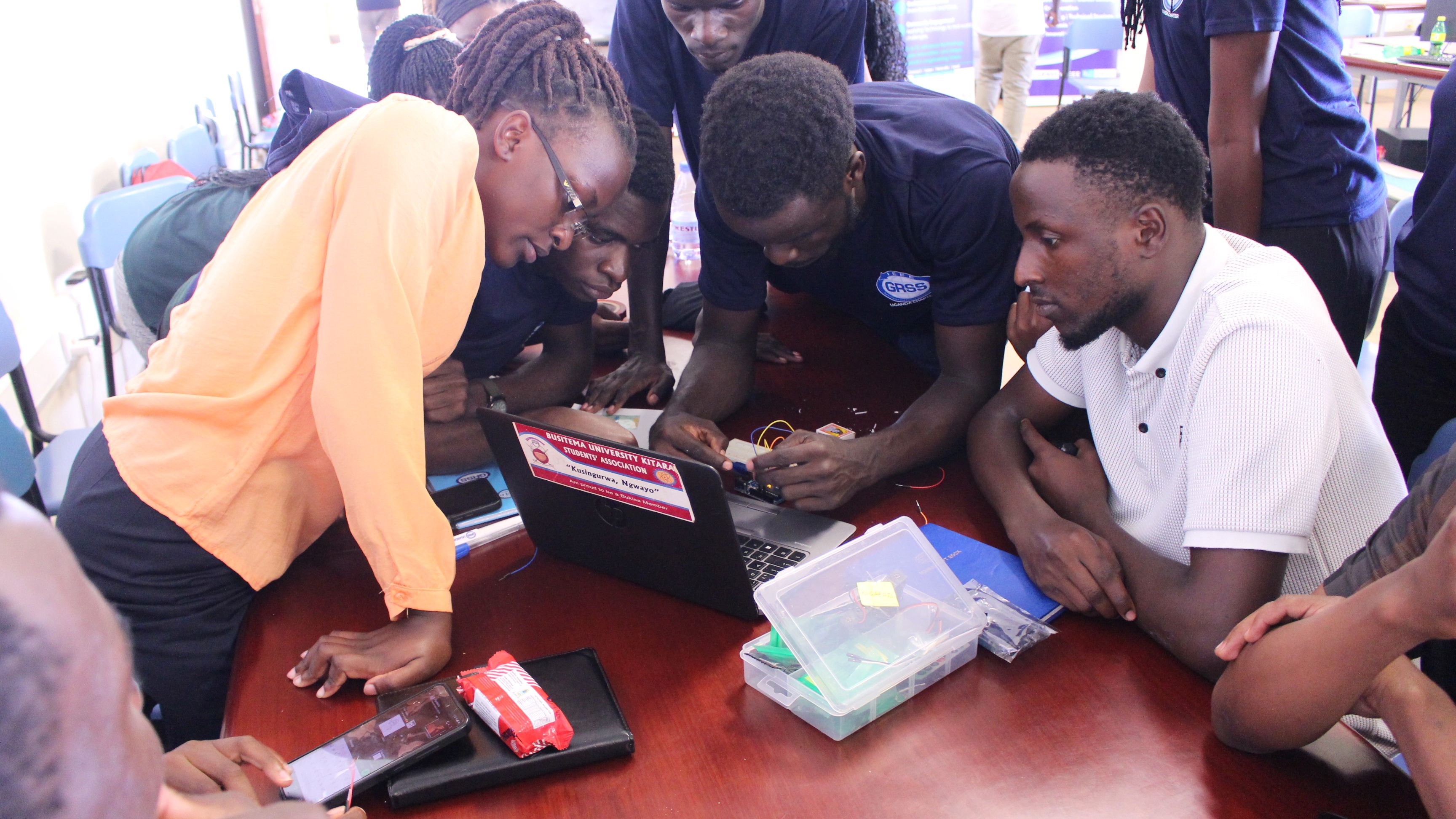
A major focus of the workshop is hands-on learning. Students have been divided into groups and are taking part in practical exercises designed to help them move beyond classroom theory and gain experience working with technology.
During the practical sessions, participants are learning how to build simple electronic circuits, connect LEDs and sensors, and use Arduino boards to test basic ideas. They are also being introduced to how smart devices collect, process, and share information.
The workshop is also exposing participants to the use of satellite images, mapping and other tools for monitoring the environment. These technologies can support work in areas such as agriculture, water management and environmental protection.
Organisers say the programme is designed to address a common challenge among engineering students: having a strong understanding of concepts but limited opportunities to work with equipment, build prototypes and test solutions to real-world problems.
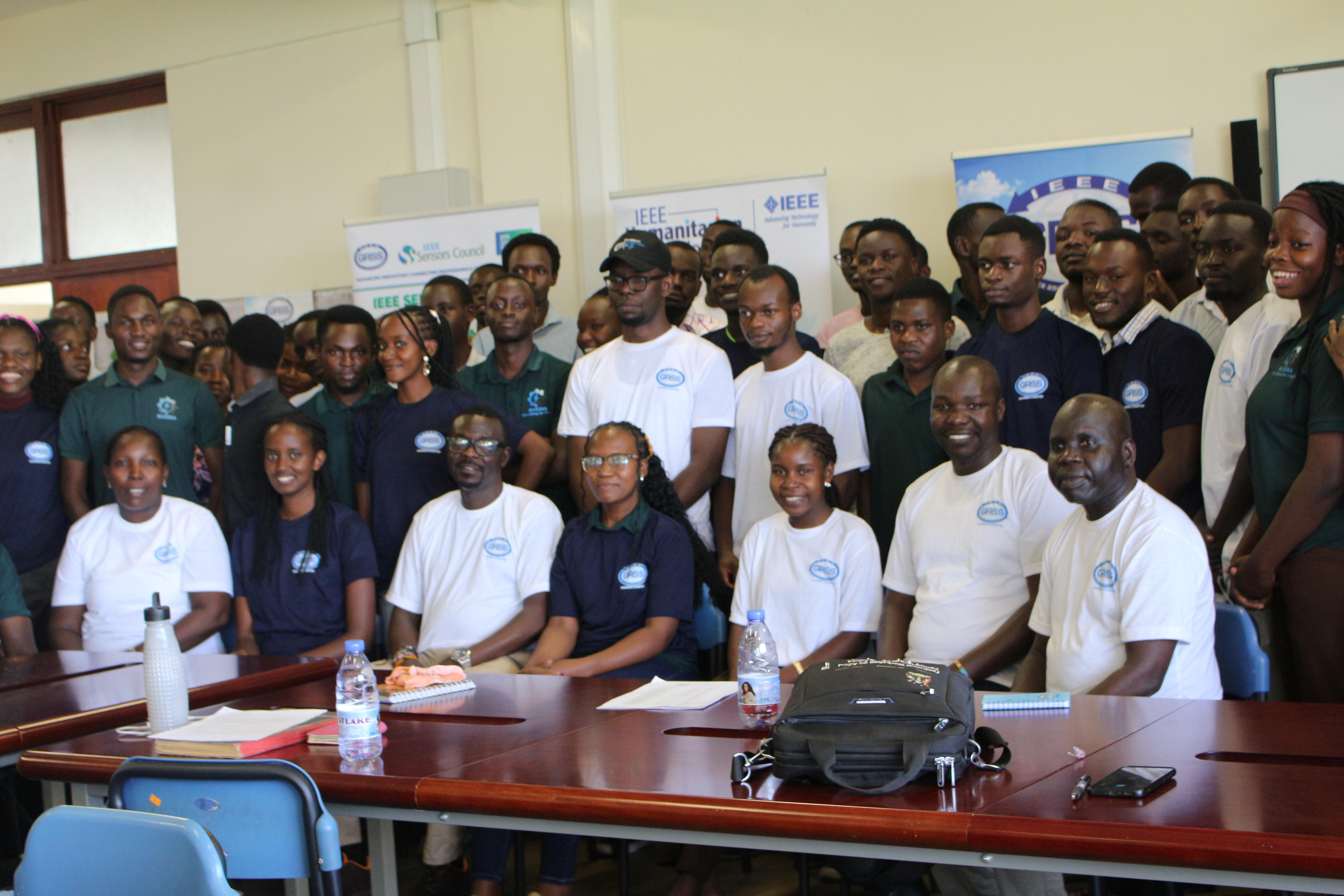
Through demonstrations, technical sessions and group activities, participants are being encouraged to work together to develop simple technology-based solutions to problems in their communities.
The organisers are particularly interested in applications that can help improve environmental monitoring, agricultural productivity, water quality, connectivity and access to affordable technology.
Beyond technical training, the Seasonal School is providing an opportunity for students to interact with researchers, industry professionals and members of IEEE technical societies. The organisers say these interactions can help participants build professional networks, find mentors and identify opportunities for future collaboration.
By the end of the two-day programme, participants are expected to have gained basic practical skills, increased confidence in experimenting with engineering technologies, and developed a better understanding of how emerging technologies can contribute to humanitarian and community development.
The workshop ultimately seeks to turn classroom knowledge into practical action, giving young engineers the tools and confidence to develop affordable solutions to challenges affecting their communities.
21 October 2026
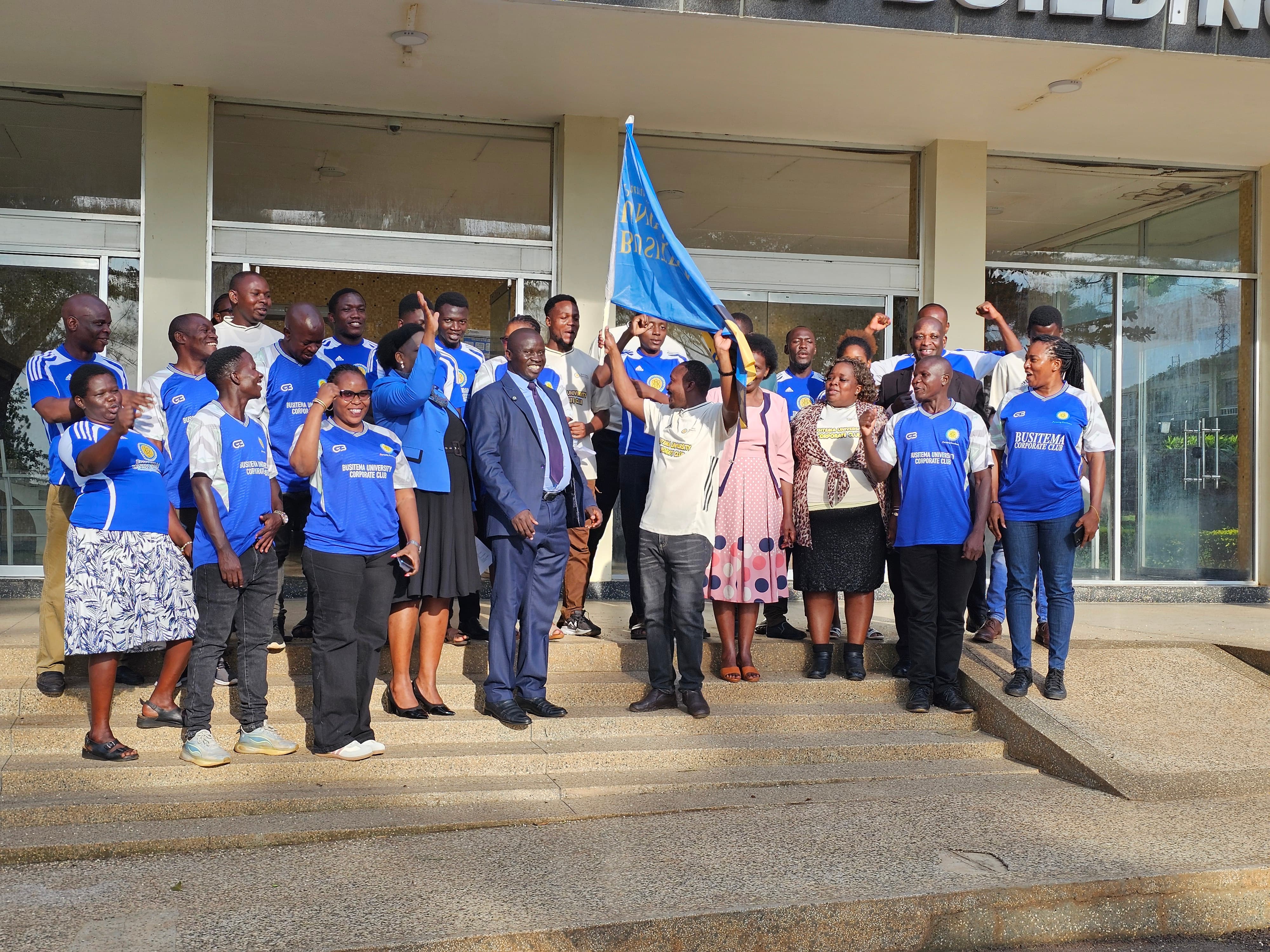
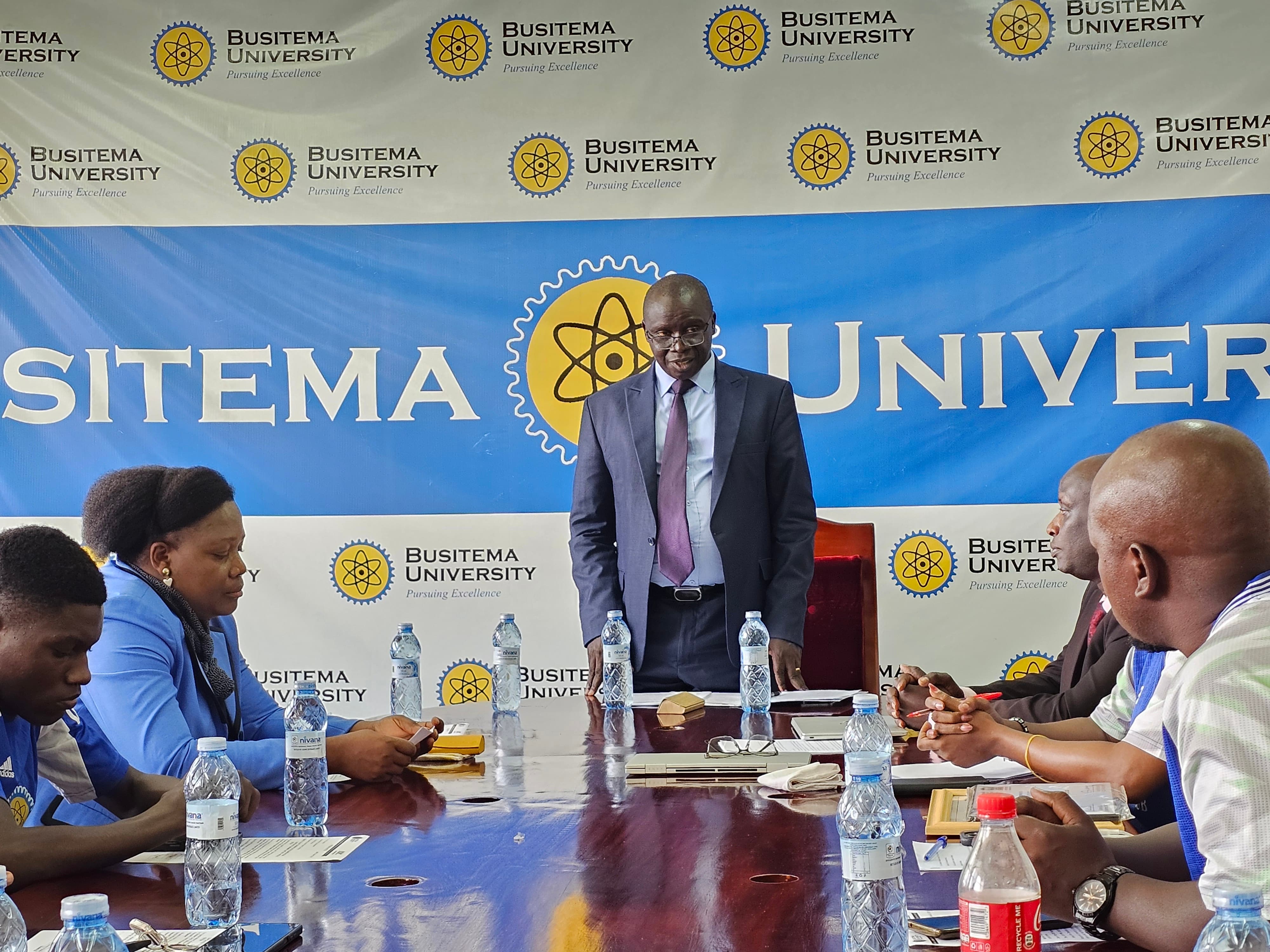
Busitema University Vice Chancellor, Prof. Paul Waako, has officially flagged off the University's corporate sports team for the Uganda National Corporates Tournament (UNCT) Western Edition in Kabale, challenging the players to pursue victory as the institution seeks to strengthen its presence in national corporate sports competitions.
The ceremony, held on Wednesday, 21 October 2026, at the Vice Chancellor's Boardroom, Busitema Campus, marked another milestone for a team whose participation in corporate tournaments has steadily increased. Kabale will be its fourth outing this year, following earlier competitions in Pallisa, Kitgum and Mbale.
The tournament is scheduled for 24–25 October 2026 at Kigezi Primary School Lower Playgrounds in Kabale Municipality. It will be hosted by Rugarama Hospital Corporate Club under the theme Score to Restore.
Speaking to the team,
, Prof. Waako commended the players for representing Busitema University and encouraged them to approach the competition with determination, reminding them that participation should be accompanied by the ambition to win.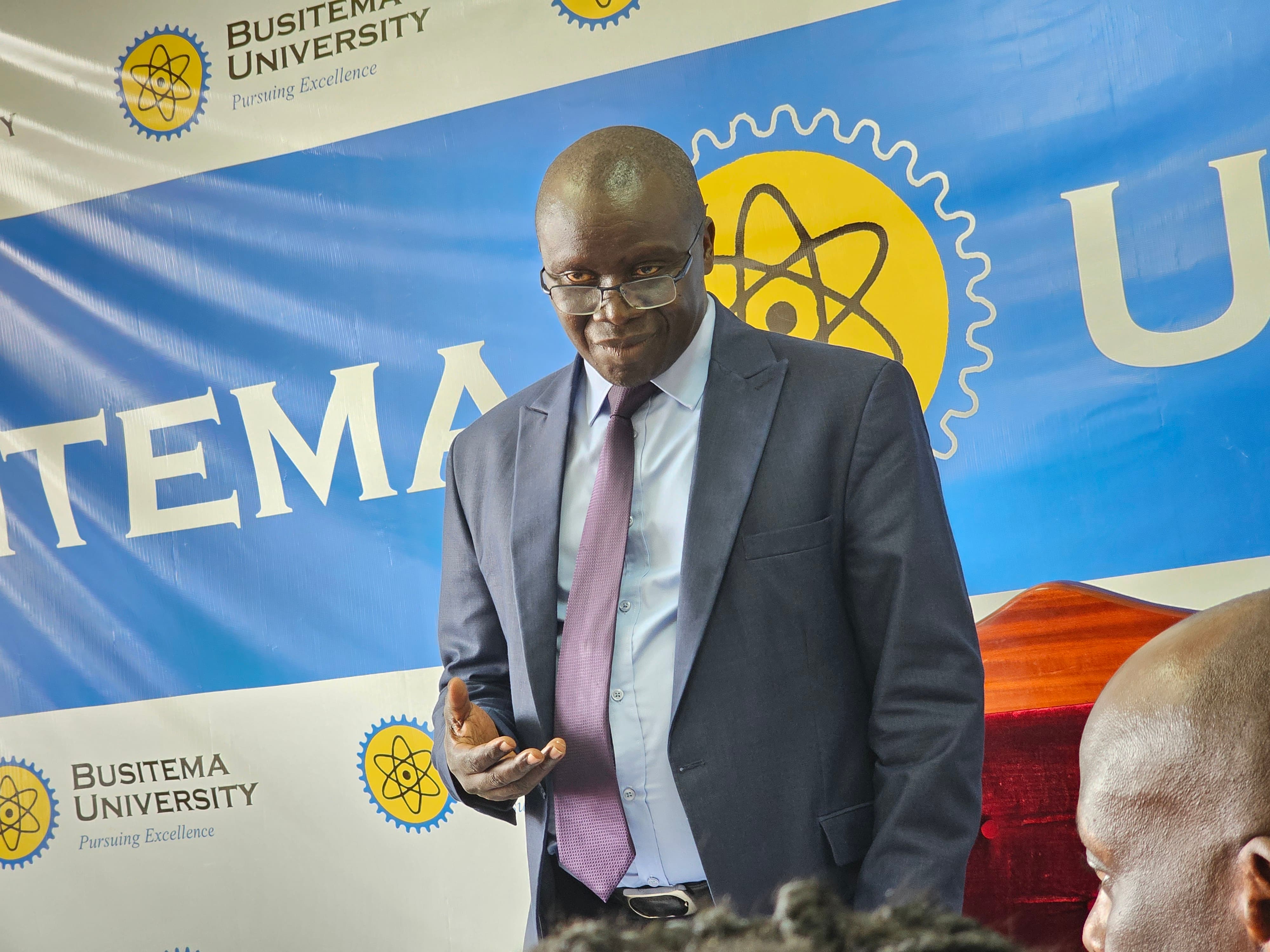
His challenge came barely a month after Busitema University's men's chess team secured a bronze medal in the Blitz competition at the 12th All-Africa University Games in Cairo, Egypt. Prof. Waako congratulated the medal winners and urged the corporate team to draw inspiration from that achievement as they pursued further sporting success.
Prof. Waako also called for greater efforts to encourage regular physical exercise among University staff and students. He referred to a government directive requiring public institutions to introduce weekly physical exercise sessions for employees to promote good health. Acknowledging that Busitema University had not yet made significant progress in implementing the initiative, Prof. Waako asked the sports team to take a leading role in organising regular physical activities for the University community.
The government directive, issued in March 2024, calls for public institutions to set aside two hours each week for staff exercise as part of measures to address lifestyle-related health conditions.
Prof. Waako explained that increasing participation in sporting activities was already among the objectives outlined in the University's Strategic Plan. He also raised the possibility of considering staff participation in physical activities during performance appraisals as a way of encouraging employees to take their health and fitness more seriously.
He observed that sports contribute to physical well-being, resilience and discipline, qualities he considered important in improving employee productivity.
The emphasis on staff participation comes at a time when Busitema's corporate sports programme is attracting growing interest from employees across different campuses and departments.
Team Captain Dr. Edwin Kamalha said the competitions had created opportunities for academic, administrative and support staff to interact outside their usual working environments, strengthening relationships among colleagues who might otherwise have limited contact.
"On the sports field, our job titles and offices matter less than our shared commitment, discipline, cooperation and determination to succeed," he said.
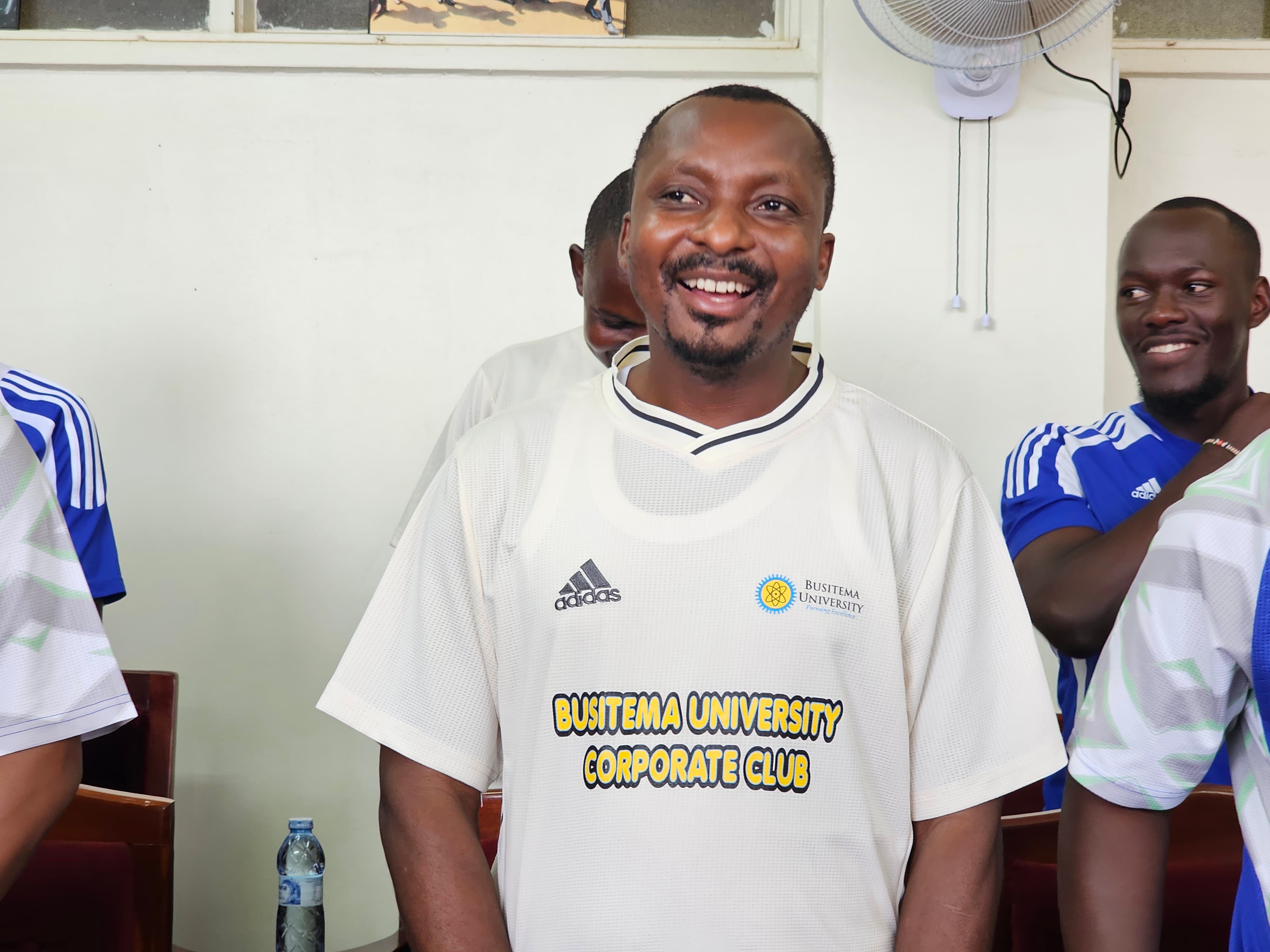
According to Dr. Kamalha, the University's participation in Pallisa, Kitgum and Mbale has helped build enthusiasm among staff, with another competition planned for Kampala in December to conclude the year's sporting calendar.
The growing programme has also attracted the attention of University Management, which recognises the opportunities corporate competitions provide to promote Busitema's visibility and establish relationships with other institutions.
Deputy Vice Chancellor for Finance and Administration, Assoc. Prof. Pakoyo Fadhiru Kamba, congratulated the team for taking the University's name to different parts of the country. He observed that participation in such competitions was generating publicity for Busitema without requiring the University to invest separately in promotional activities.
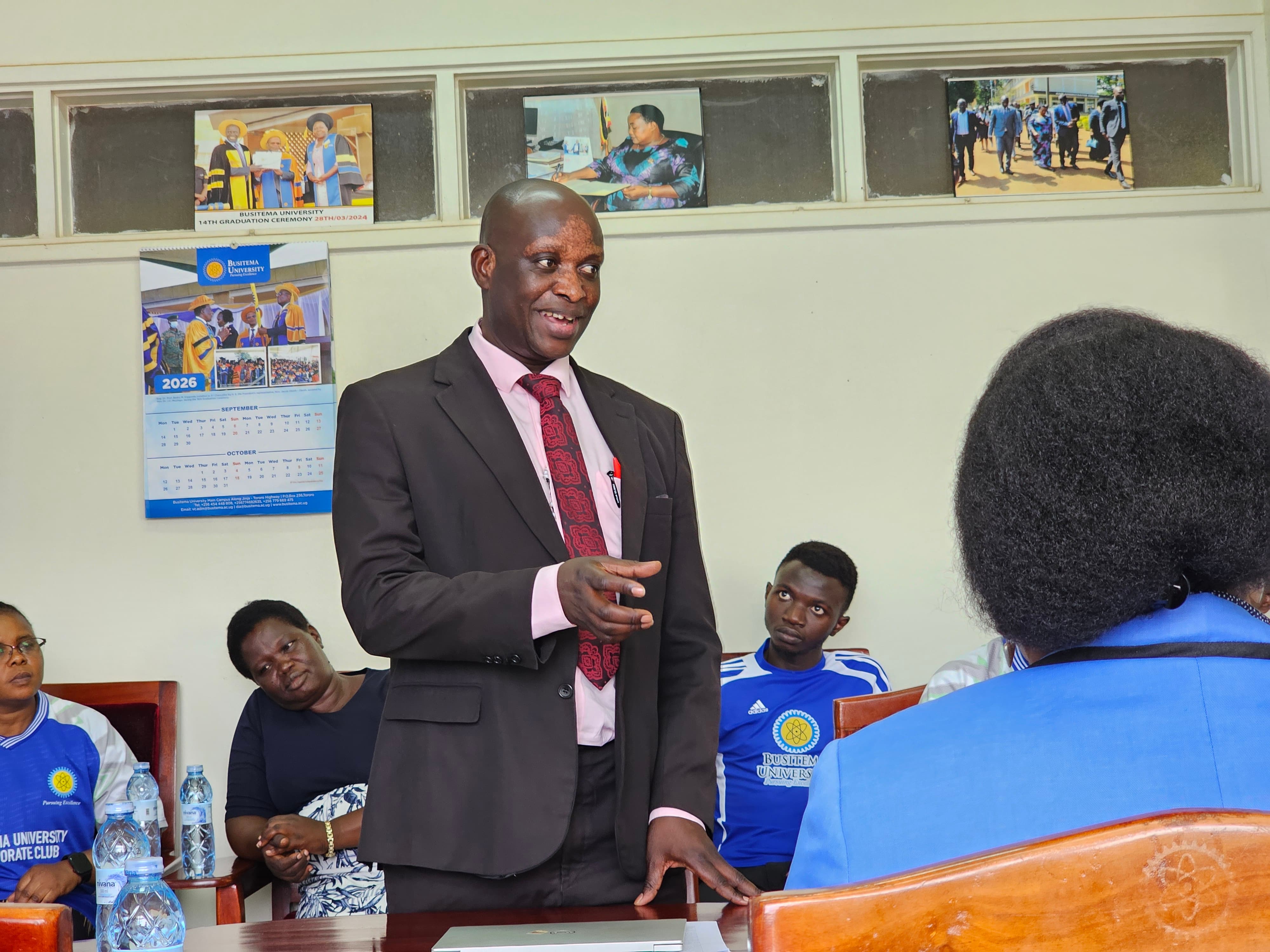
Assoc. Prof. Kamba expressed confidence in the team's prospects in Kabale and encouraged continued engagement between the sports department and University leadership on ways to expand participation in future tournaments.
Prof. Waako similarly urged the players to use the competition to establish contacts with professionals from other organisations, noting that such relationships could support the University's work through future institutional partnerships.
The University's ambitions in corporate sports are now beginning to extend from participating in tournaments to potentially hosting one.
Deputy Chief Sports Officer, Dr. Agnes Baluka Masajja, revealed that Busitema hopes to host a future regional edition of the Uganda National Corporates Tournament, an opportunity that would bring corporate teams from across the country to compete in an area served by the University.
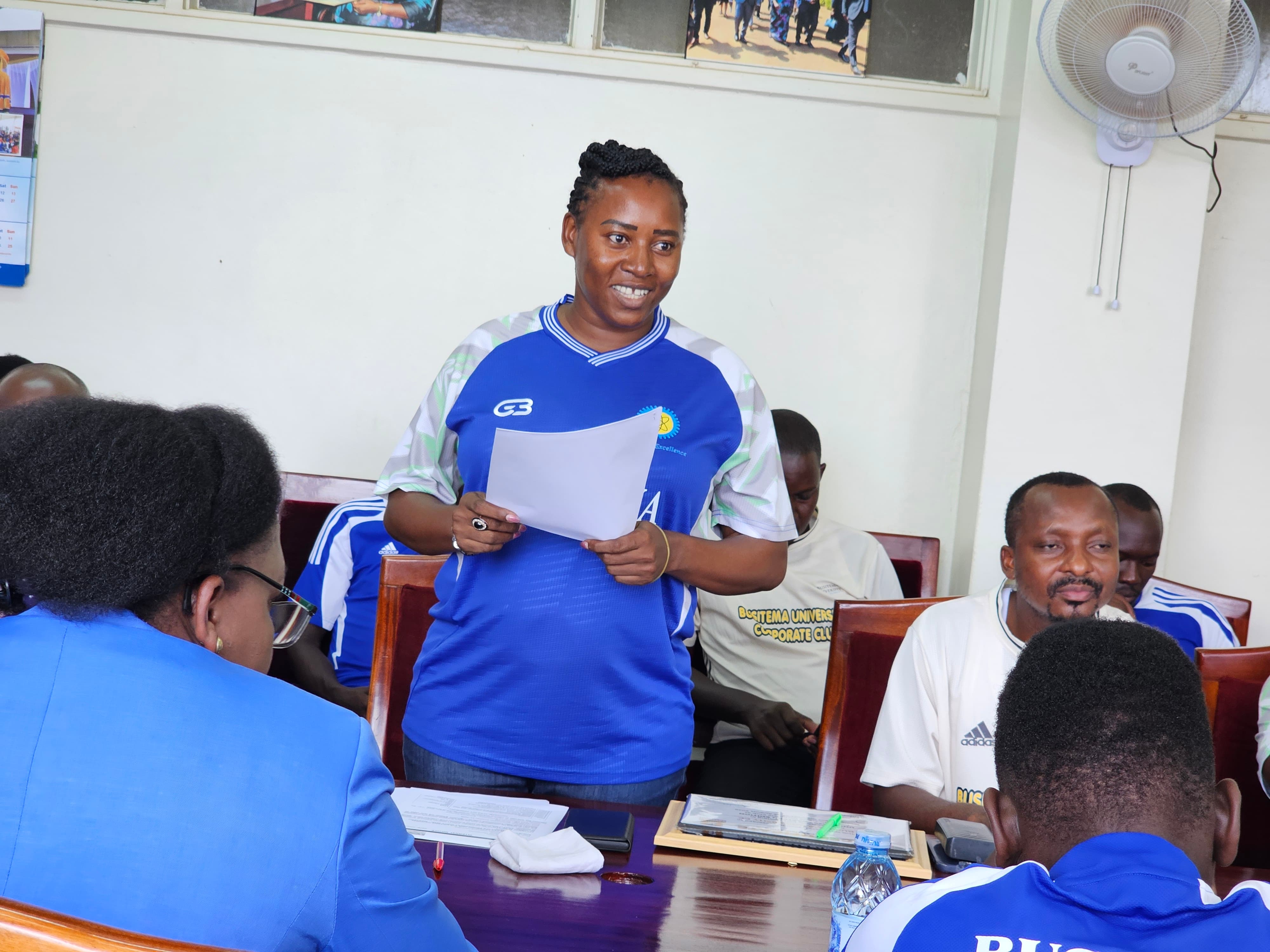
The tournament operates through six regional editions covering Western, Eastern, Northern, Central, Elgon and Bukedi. Dr. Baluka explained that Busitema's multicampus structure could provide an advantage in hosting, given the University's presence in the Eastern, Elgon and Bukedi regions.
Having participated in the Northern and Eastern editions earlier this year, the University is seeking to maintain its involvement in the competition as it works towards its hosting ambition.
Dr. Baluka linked that ambition to the University's Games and Sports Policy and Strategic Plan, which recognise the contribution of sporting activities to staff wellness, teamwork and the development of regional and national partnerships.
She also highlighted the opportunities corporate tournaments provide for interaction with business leaders, policymakers and professionals from various sectors, whose networks could open avenues for institutional collaboration.
The competitions carry a community engagement component alongside the sporting activities. The Western Edition focuses on environmental conservation and sustainable tourism, with reforestation, waste management and the protection of natural tourism resources among its areas of emphasis.
Other regional editions address community concerns such as maternal health, sanitation, youth education, food security and workplace wellness. The approach connects corporate sporting activities with community development initiatives in the regions hosting the competitions.
As the team prepared for the journey to Kabale, Dr. Kamalha thanked University Management for its continued support, including the logistical arrangements that have enabled players to participate while balancing their professional responsibilities.
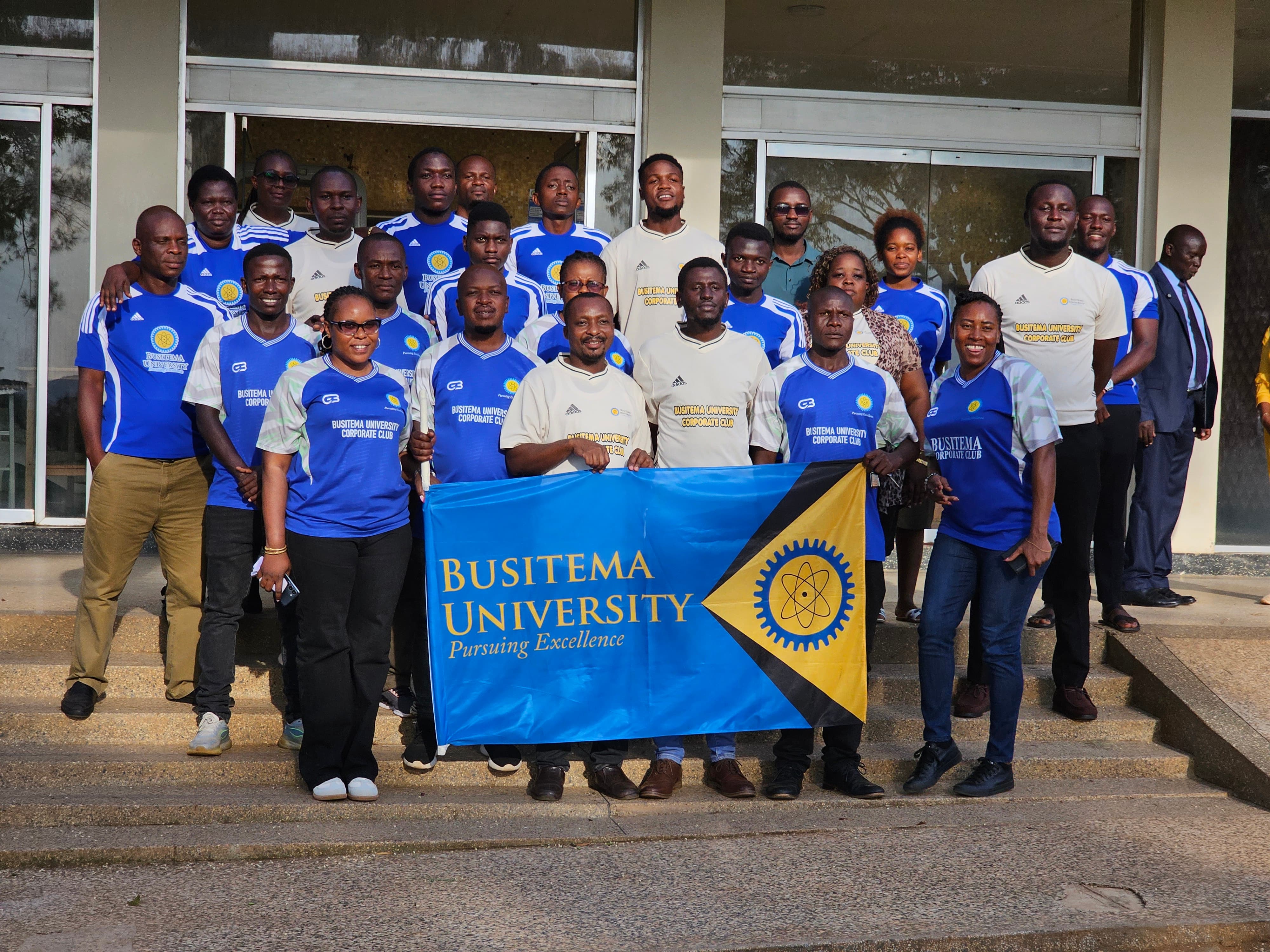
He expressed hope that sustained institutional support would encourage wider staff involvement and improve the team's competitiveness in subsequent tournaments.
Prof. Waako, meanwhile, reminded the players that representing the University comes with a responsibility to maintain discipline and protect its reputation, regardless of the competition's outcome.
That responsibility was echoed by the Team Captain, who assured Management that the contingent would remain united and committed to representing Busitema University with dignity.
"Whether we win or lose, we carry the name and reputation of our University," Dr. Kamalha said.
The team now heads into the Kabale competition seeking to build on its experience from previous tournaments, with the prospect of hosting a regional edition adding to Busitema University's ambitions in corporate sports.
22 October 2026
Busitema University's participation in the 12th Federation of Africa University Sports (FASU) Games in Cairo, Egypt, has been detailed in a post-Games report highlighting the athletes' performances, preparations, challenges encountered and recommendations for future competitions. The report provides a fuller account of the University's campaign, which saw its athletes secure two bronze medals in chess and orienteering.
The Games, held from 8 to 16 September 2026, brought together 2,082 participants from 82 universities representing 18 African countries. Busitema competed in chess, athletics, tennis and orienteering, with its athletes gaining international competitive experience despite financial and logistical challenges that affected preparations.
The University's men's chess team, represented by Rubangakene Ceaser and Byawaka Alvin Herbert, secured bronze after finishing third in the Chess Blitz Tournament hosted at Ain Shams University. The pair also finished fourth among 19 universities in the men's Rapid chess pairing competition, adding to Busitema University's achievements at the Games.
Another notable achievement came from Warom Dickline, who won bronze in the women's orienteering demonstration competition. Warom Dickline's bronze medal was also a notable achievement, as orienteering was a new discipline to the Busitema delegation, which learnt about the sport in Egypt and competed in it as a demonstration event.
The experience has since prompted the University's Sports Unit to recommend introducing orienteering in Uganda, identifying it as another opportunity for developing student talent and expanding participation in competitive sports.
Busitema also registered performances in athletics and tennis. Atim Gifty finished seventh in the women's shot put competition, which attracted competitors from 12 universities. The University's tennis players participated in both singles and doubles competitions but were eliminated in the opening round.
Although the results varied across disciplines, the competition exposed the athletes to different levels of sporting experience and provided an opportunity to assess Busitema's performance against other universities on the continent.
Building on Previous Sporting Achievements
Busitema's participation in Cairo followed a selection process that considered athletes' performances in previous university competitions.
According to a post-Games report prepared by Dr. Agnes Baluka Masajja, Deputy Chief Sports, the University's chess players were selected following their medal-winning performances at the 2024 East Africa University Games hosted by Maseno University in Kisumu, Kenya.
Tennis was included following Busitema's silver-medal finish at the 2024 FASU Tennis Slam hosted by Makerere University, while the athletics team was selected based on talent identified during inter-campus competitions, including a shot put athlete who had attained an international throwing distance.
These earlier performances informed the University's decision to concentrate on disciplines in which its athletes had demonstrated competitive potential. Preparations involved training at the athletes' respective campuses before they assembled at the main campus for a two-week training camp ahead of their departure.
On 7 September 2026, Vice Chancellor Prof. Paul Waako officially flagged off the delegation, urging the athletes to uphold discipline and represent the University and Uganda responsibly throughout the competition.
The 13-member delegation was led by the Dean of Students, Mr. Joseph Wanyama Erogo, with Dr. Agnes Baluka Masajja serving as Technical Head of Delegation.
Challenges Behind the Cairo Campaign
Preparations for the Games were affected by the timing of the academic semester, which had only recently commenced. According to the Sports Unit's post-Games report, submitted to University Management on 13 October 2026, the athletes had limited time for intensive training before travelling to Egypt.
Financial constraints further complicated arrangements. The delayed release of funds affected the procurement of equipment, travel preparations and the processing of visas, while changes in flight costs placed additional pressure on the available budget.
The delegation had initially planned to obtain Egyptian visas before departure. However, delays in funding and the lengthy processing requirements made this impractical, prompting arrangements with the hosts to obtain visas upon arrival at Cairo International Airport.
The report also indicated that the available funding was insufficient to cover some expenses throughout the competition period, leaving outstanding financial obligations after the Games.
Despite these setbacks, Busitema's athletes participated in their respective competitions and secured two bronze medals, highlighting the sporting potential that the University can build upon with improved preparation and support.
Building on the Cairo Experience
Busitema University finished 42nd among the 82 universities that participated in the Games. Uganda placed 10th among the 18 participating countries, with Nkumba University winning gold in women's football and Busitema contributing two bronze medals.
The results have given the University's Sports Unit a basis for reviewing preparations for future competitions, including how athletes are selected, trained and supported.
In her post-Games report, Dr. Agnes Baluka Masajja, Deputy Chief Sports, recommended establishing a structured athlete development programme covering talent identification, coaching, equipment, competition exposure and academic support. She also called for earlier travel arrangements and better financial planning to address some of the difficulties experienced during the Cairo Games.
The report further recommended establishing a central sports database to keep records of athletes, training activities and competition results. This would support the monitoring of performance and help guide decisions on future sports programmes.
Chess and tennis remain among the disciplines in which Busitema has recorded success in previous competitions. The bronze medal in orienteering has also raised interest in the sport, prompting the Sports Unit to recommend its introduction in Uganda.
The two medals earned in Cairo add to the University's sporting achievements, while the challenges identified in the report offer practical lessons for preparing and supporting athletes in future regional and continental competitions.
Access the full report through the Busitema University Digital Repository (BDEARS)
18 October 2026
Busitema University brought together newly admitted international students, University officials and student leaders on Sunday, 18 October 2026, for its third International Students' Orientation held at the Faculty of Natural Resources and Environmental Sciences (FNRES), Namasagali Campus. The gathering provided an opportunity for students to familiarise themselves with University life while learning about developments intended to strengthen their participation in student leadership, academic opportunities and welfare support.
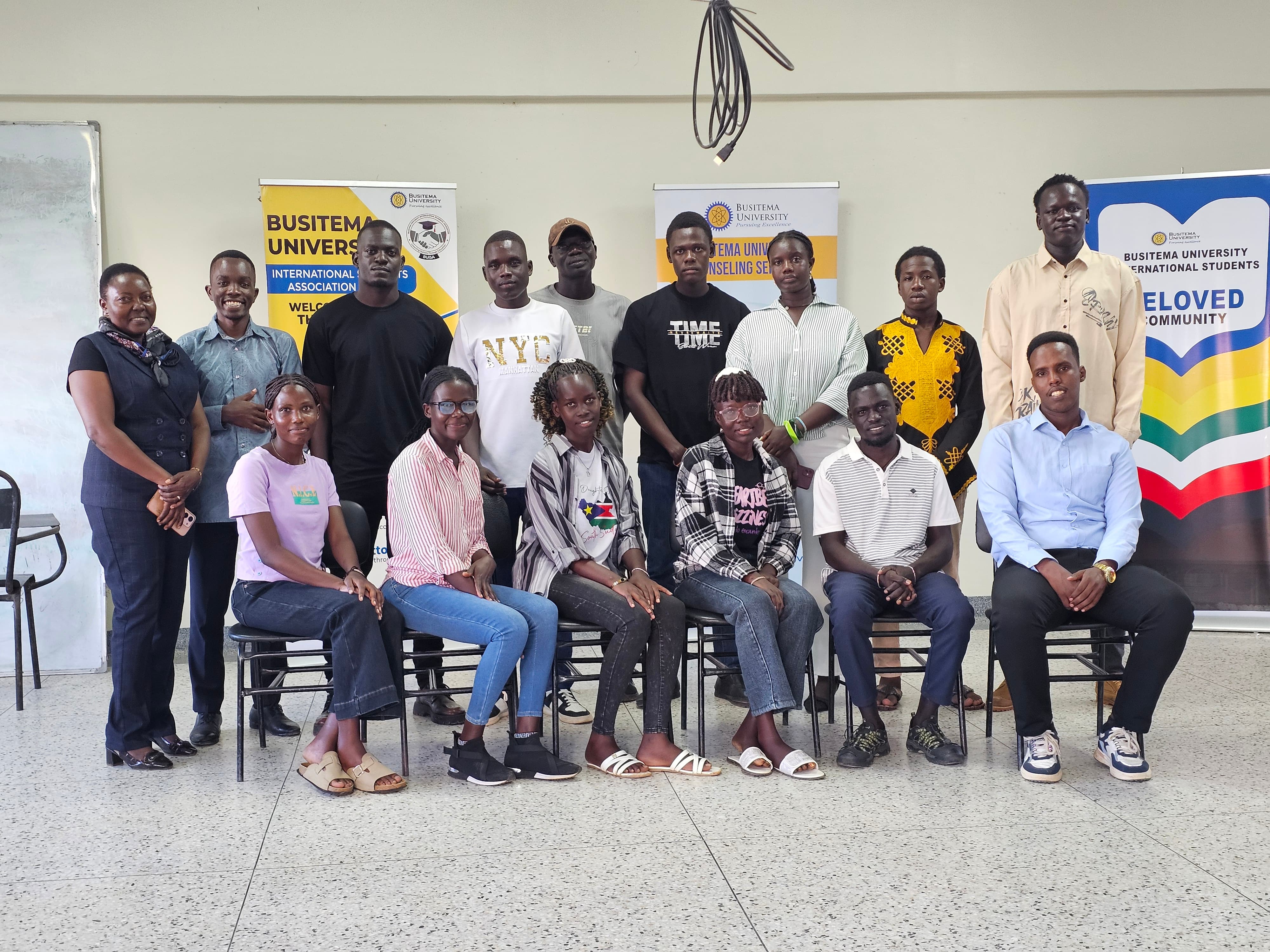
The annual orientation has gradually moved across the University's campuses, beginning at the Faculty of Health Sciences in Mbale in 2024, followed by Arapai Campus in 2025. This year's gathering at Namasagali continued the arrangement, with Busitema Campus expected to host the fourth edition in 2027.
Ms. Harriet Nabirye, the Principal Institutional Advancement Officer responsible for Internationalisation and Partnerships, reported that 29 international students had been admitted for the 2026/2027 academic year from five African countries. South Sudan accounted for the highest number with 13 students, followed by Kenya with 9, Somalia and the Democratic Republic of the Congo with 3 each, and Tanzania with 1. However, only 14 of those admitted had reported to the University at the time of the orientation.
Financial difficulties were among the reasons some students had been unable to report, while others pursuing postgraduate studies had encountered challenges in obtaining permission from their workplaces. Ms. Nabirye noted that the University continued to receive applications from several other African countries, including Nigeria, Cameroon, Malawi, Botswana, Zimbabwe, Ethiopia, Burundi, Ghana, Benin, Namibia and Zambia, Afhaganistan, Rwanda, Somalia, Liberia, reflecting the geographical reach of its academic programmes.
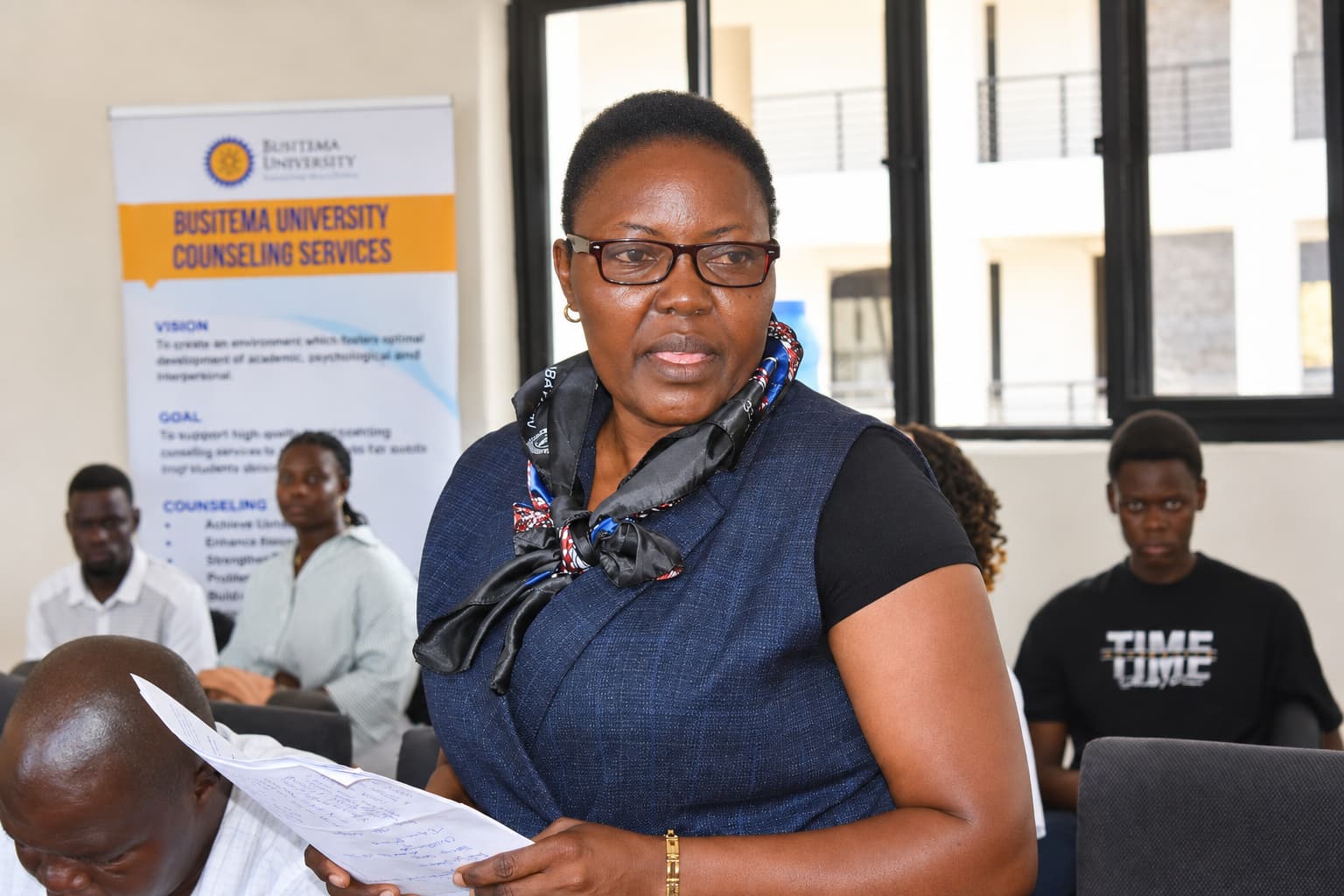
As the University continues to attract students from different countries, their participation in institutional decision-making has become an important consideration. During the orientation, the 17th Guild President, H.E Kamara Onesmus, announced that amendments to the Students' Guild Constitution providing for a minister responsible for international students had been approved by the University Council. He explained that the position would be filled by a representative drawn from the Busitema University International Students Association (BUISA).
The announcement follows discussions dating back to March 2024, when BUISA held its inaugural leadership elections at the Faculty of Health Sciences in Mbale. During the inauguration, an official representing the Dean of Students pledged to advocate for changes to the Guild's governance arrangements to accommodate international student representation. The elections, coordinated by Ms. Nabirye, saw Mr. Kumiki Radwan Said elected as the Association's first President.
Two years later, the constitutional amendments reported by H.E Kamara represent progress towards giving international students a formal voice in the Guild Government. He encouraged students to take an active interest in leadership and assured them that the Guild remained available to support their concerns and work with them throughout their academic journey.
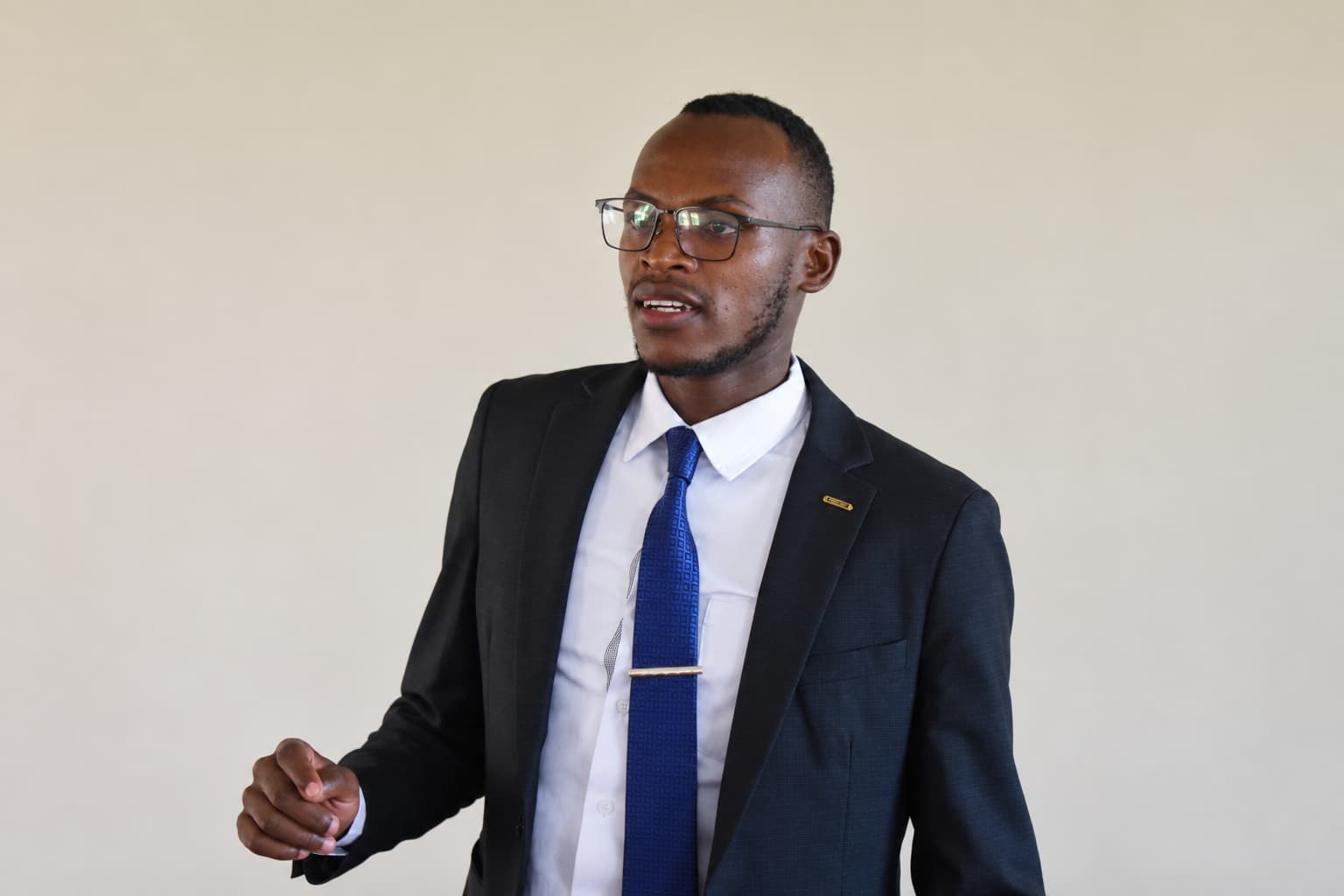
The importance of such representation was also reflected in remarks by BUISA President, Gift Emmanuel, who spoke about the challenges international students encounter when adjusting to life in a new country. Established in 2023, BUISA has provided a platform through which students can support one another while navigating differences in language, culture and social environments.
Emmanuel commended the relationship between international and Ugandan students, noting that his experience at Busitema had been free from discrimination by fellow students. He encouraged the newcomers to embrace leadership opportunities, remain committed to their studies and make good use of the resources available at the University.
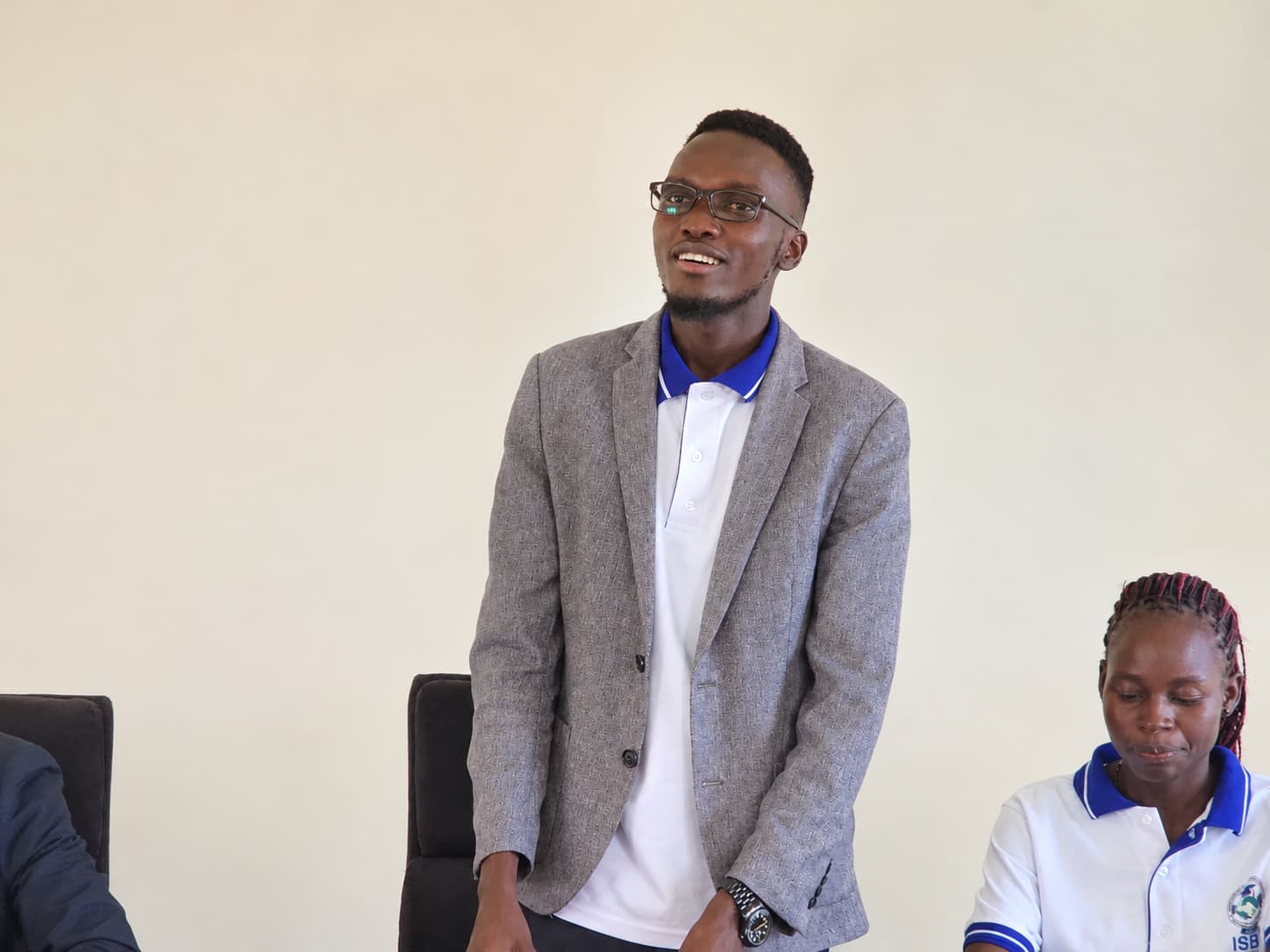
Welcoming the students on behalf of Dr. Sowedi Masaba, the Dean of Faculty of Natural Resources and Environmental Sciences, Mr Orionga Moses acknowledged that studying in a different country could present challenges, particularly when adapting to unfamiliar cultures, languages and academic systems. He encouraged them to remain determined, respect University regulations and develop the discipline and professional values needed to succeed in their studies.
The students also received guidance on the practical requirements of studying in Uganda. Ms. Nabirye emphasised the need to obtain student visas, complete the equating of academic qualifications and comply with the necessary immigration procedures.
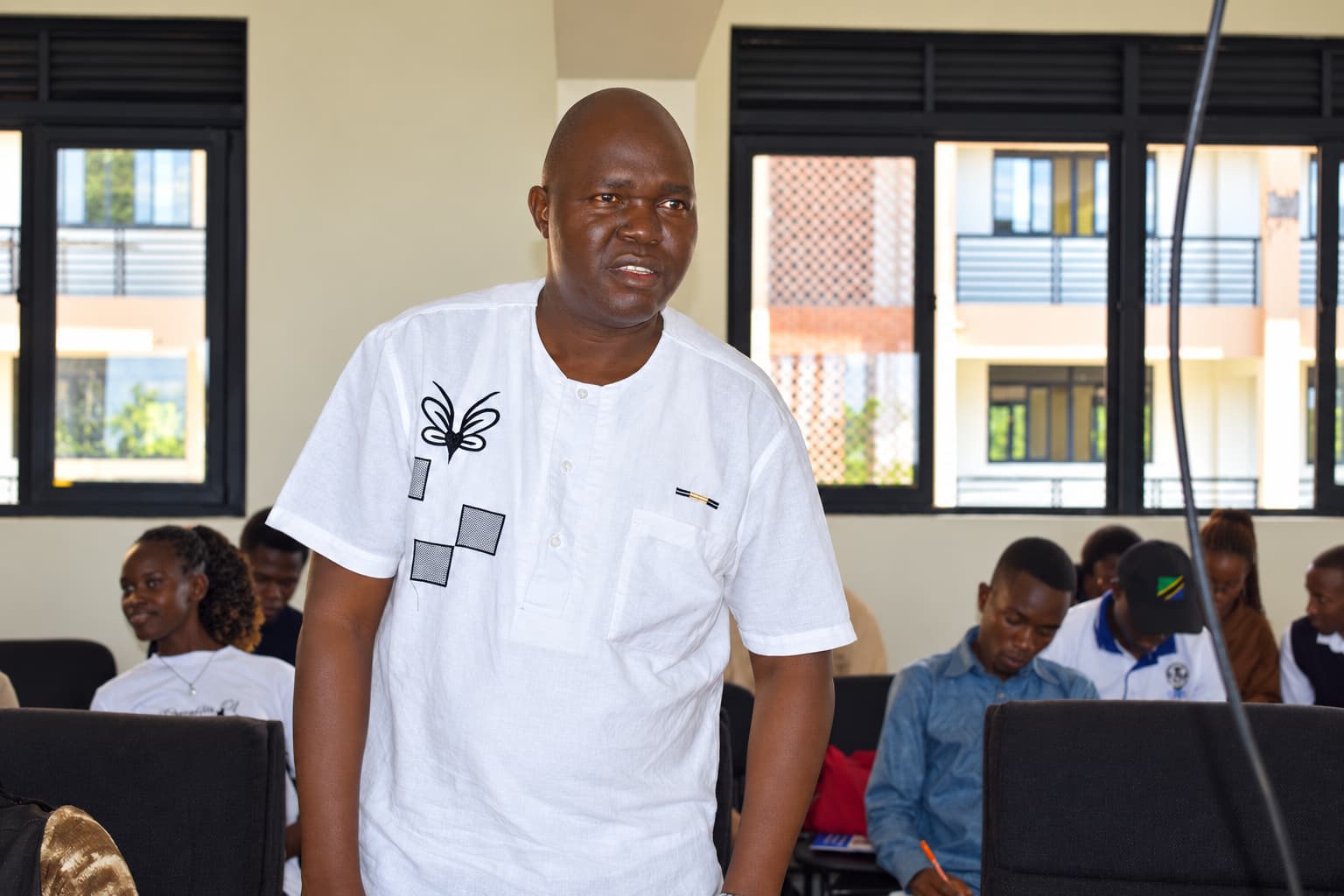
These requirements were reinforced by Mr. Mugabi Ivan Ronald, Deputy Academic Registrar responsible for Admissions, who explained the University's registration and examination procedures while assuring the students that the Office of the Academic Registrar serves all students without discrimination.
Mr. Mugabi stressed the importance of attending lectures and maintaining academic integrity, cautioning against examination malpractice and the falsification of examination permits. He reminded the students that failure to meet the minimum lecture attendance requirement of 75 per cent could prevent them from sitting examinations.
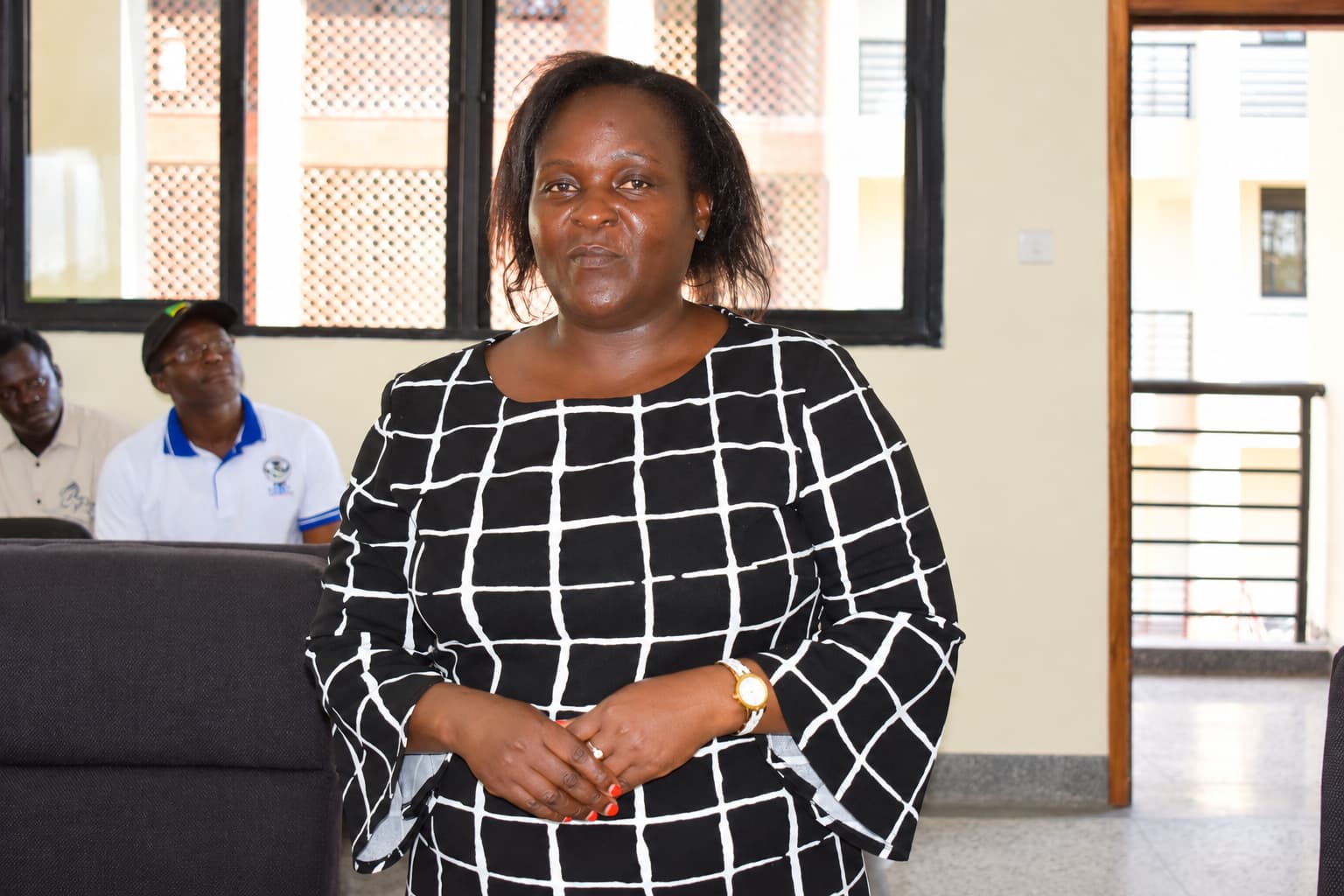
Principal Accountant, Ms. Juliet Erumbi, offered financial guidance to the students, explaining the University's enrolment and payment procedures. She advised International students to use authorised banking and mobile money channels rather than making cash payments to individuals.
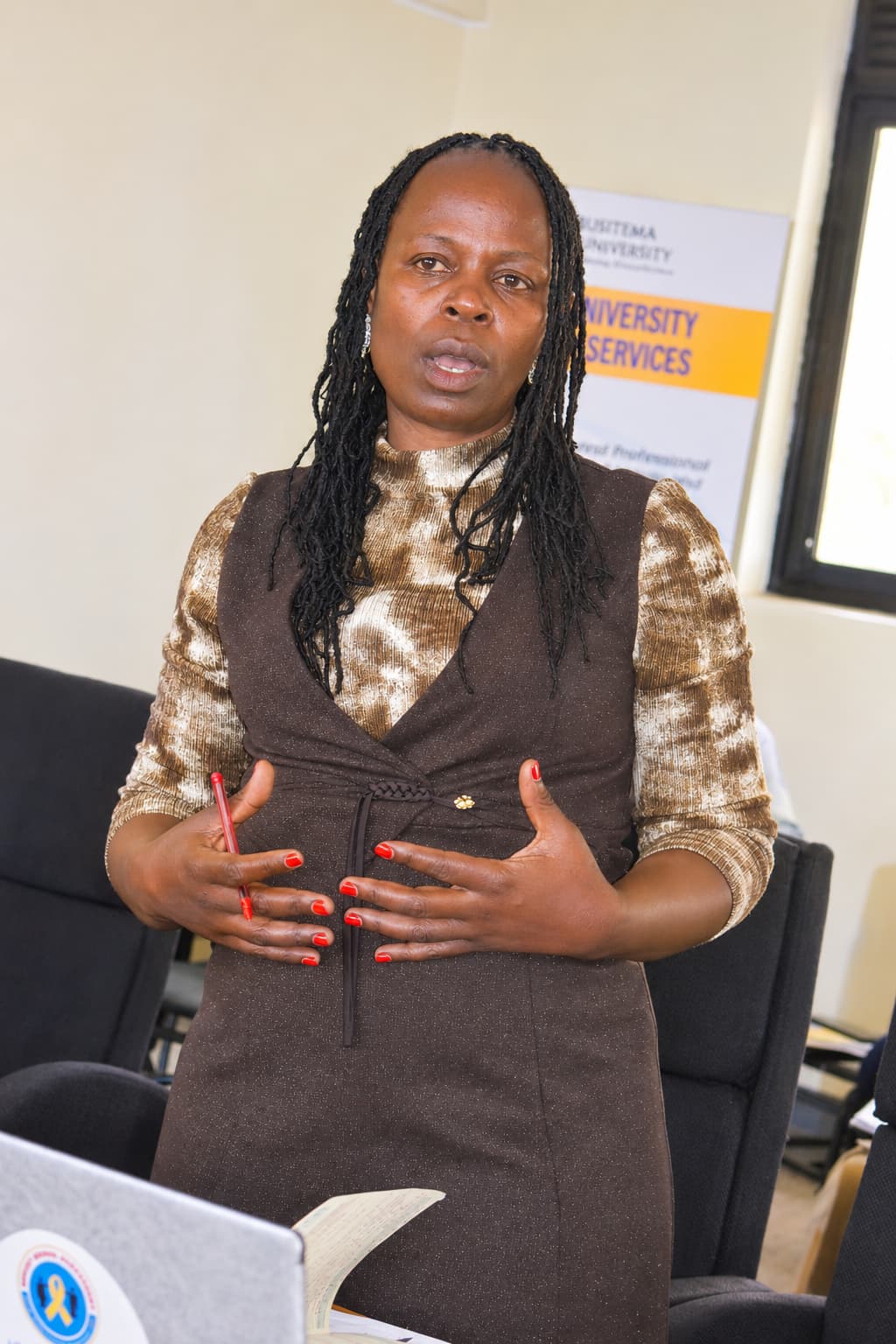
Alongside academic and financial guidance, the orientation addressed the importance of creating a safe and inclusive learning environment. Dr. Elizabeth Birabwa, Principal Gender Officer and inclusivity Directorate, reaffirmed the University's commitment to equality, equity and inclusion, stressing that discrimination and harassment should not be tolerated. She encouraged students to report incidents through established institutional mechanisms, including a digital platform that allows them to submit complaints and supporting information.
Dr. Birabwa also highlighted initiatives supporting students with disabilities, including an association established to promote advocacy, identification of needs and projects intended to improve their participation in University life. The engagement of international students in inclusivity initiatives was highly encouraged. On a light note, she advised international students to learn local languages and build positive relationships within their communities as part of adjusting to their new environment. She also called upon international students to consider engaging in a cultural gala as a way of promoting their visibility and cultural identity within the University community.
The University's internationalisation efforts also extended opportunities for postgraduate training and academic mobility. Ms. Harriet Nabirye reported that Busitema University had been offered 10 slots under the Inter-University student mobility scholarship programme and expected additional master's students through an East African Community scholarship Programme. under the IUCEA-SMS
The developments come amid wider efforts to strengthen the University's participation in regional higher education programmes. In August 2026, Busitema University was selected to host postgraduate scholars under Phase II of the Inter-University Council for East Africa (IUCEA) scholarship programme, following the approval of its Master of Science in Industrial Mathematics and Master of Science in Materials Engineering programmes. The initiative creates opportunities for postgraduate training and academic exchange among students from East African Community partner states
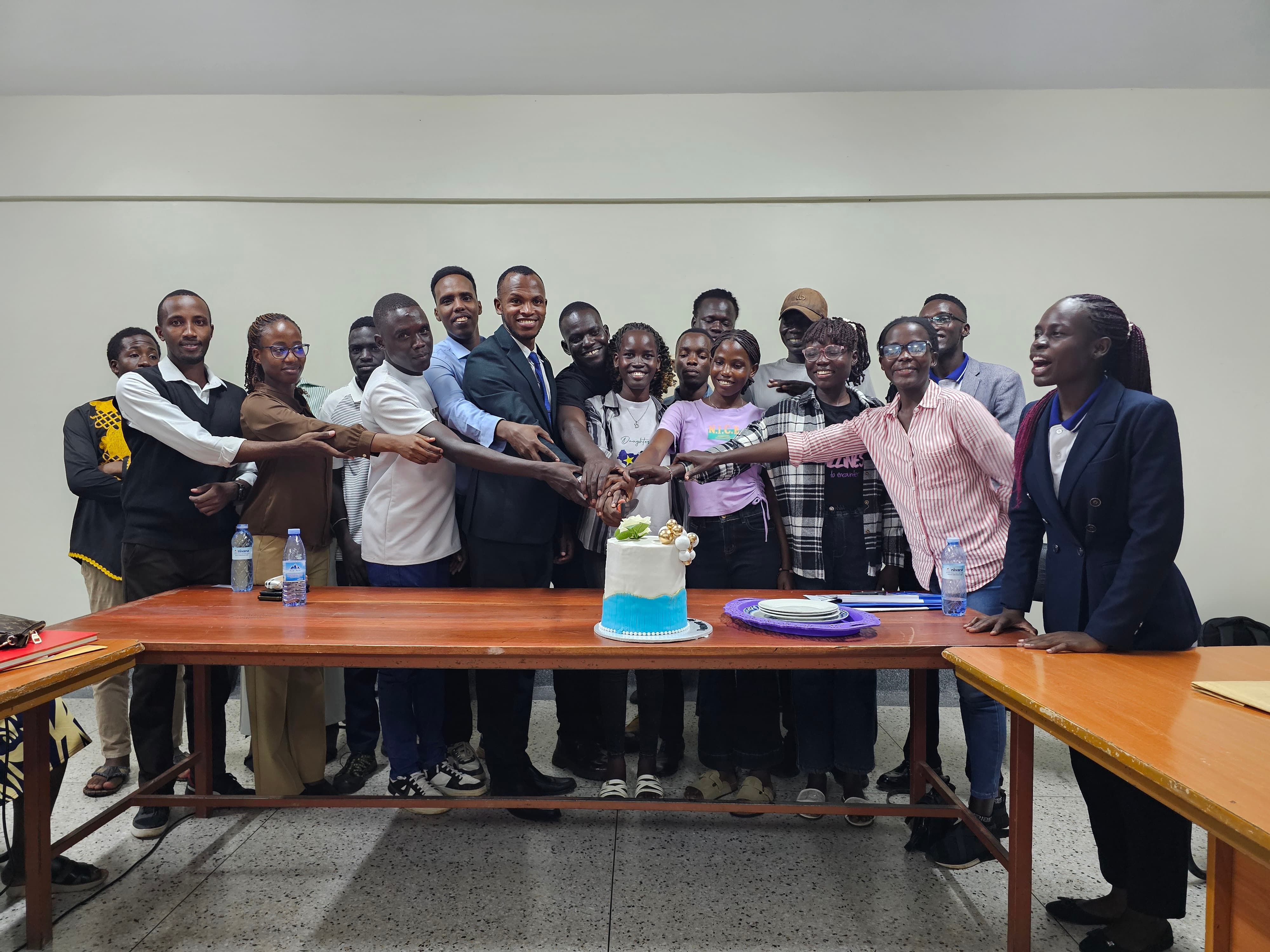
With international students spread across the University's campuses, the orientation provides an opportunity for students to meet their peers, engage directly with administrators and better understand the support available throughout their studies. The planned introduction of international student representation in the Guild Government adds a further dimension to these engagements, giving students a potential avenue to influence decisions affecting their University experience as preparations begin for the next orientation at Busitema Campus in 2027.
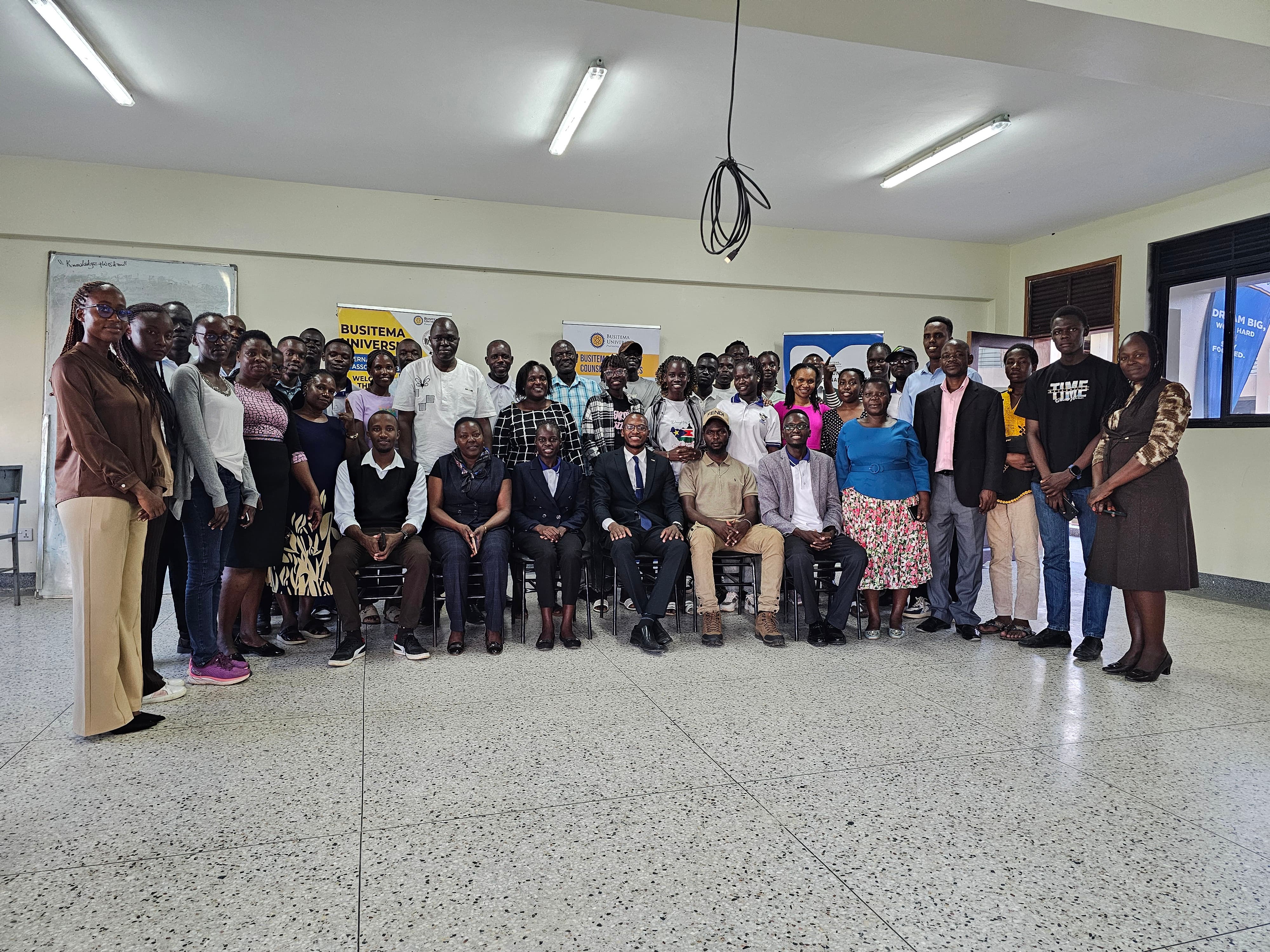
19 October 2026
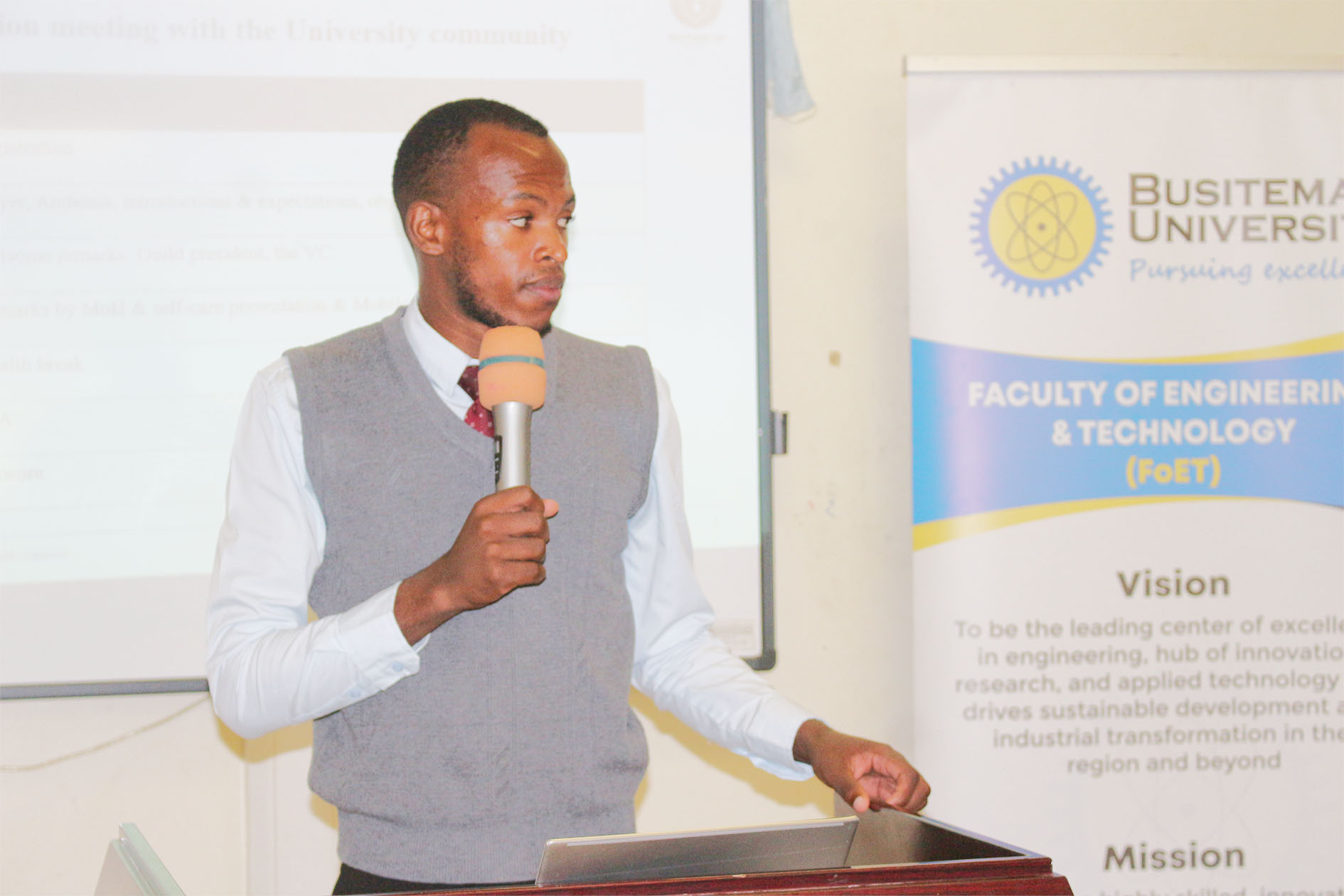
The Ministry of Health has commenced a five-day programme of self-care and wellbeing engagements at Busitema University today, Monday, 19 October 2026, aimed at strengthening health awareness, promoting self-care practices and improving access to healthcare services among students and the wider University community.
The programme opened at the Faculty of Engineering and Technology, Busitema Campus, with an engagement attended by the Deputy Vice Chancellor for Finance and Administration, Assoc. Prof. Pakoyo F. Kamba, who represented Vice Chancellor Prof. Paul Waako. Also present were the University Secretary, Dean of Students, members of Top Management, Ministry of Health officials, Guild leaders and selected volunteer student peer supporters.
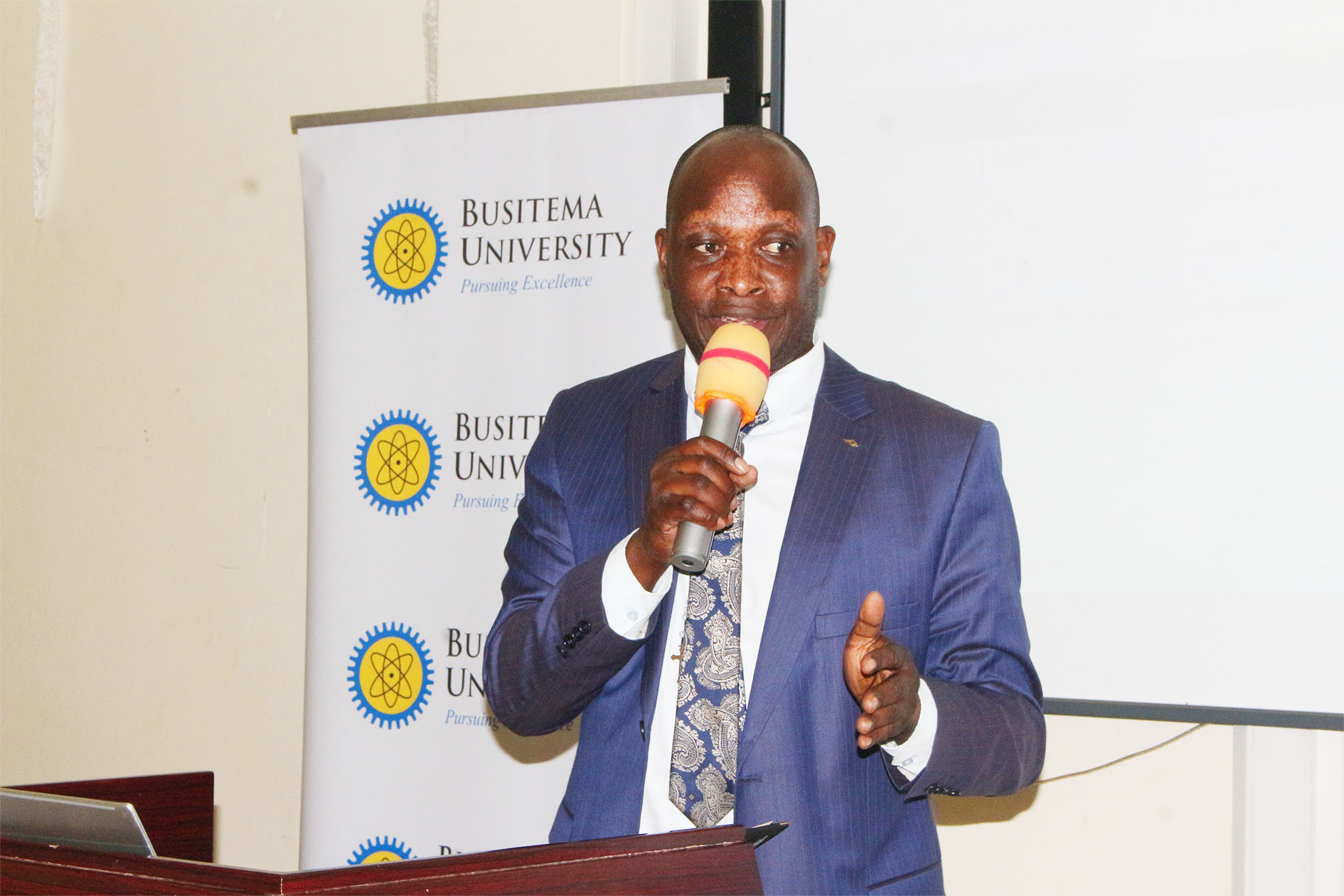
The opening activities marked the beginning of structured training for student peer supporters and University healthcare personnel, who are expected to play an important role in advancing health awareness and supporting self-care initiatives across the University's campuses.
The engagements form part of the Ministry of Health's efforts to institutionalise self-care interventions across Uganda, with the broader objective of improving population health and wellbeing while advancing Universal Health Coverage (UHC).
In a letter dated 6 October 2026 and addressed to the Vice Chancellor of Busitema University, the Director General of Health Services, Prof. Charles Olaro, outlined the Ministry's intention to collaborate with the University and its student leadership in promoting self-testing, self-management and greater awareness of self-care practices.
Particular attention is being given to sexual and reproductive health among young people, with the Ministry seeking to address what it describes as the triple threat of HIV, Sexual and Gender-Based Violence (SGBV) and unintended pregnancy among university students. The initiative seeks to improve awareness of these challenges while equipping students with information to make informed decisions about their health and access appropriate support services.
The programme is being undertaken as part of the Ministry of Health's self-care efforts in collaboration with the World Health Organisation (WHO). It seeks to strengthen the ability of individuals to participate in managing their health while ensuring that appropriate information, guidance and professional healthcare support remain accessible.
University-based health professionals, including nurses, midwives and clinicians, will participate in structured training on self-care and client support. The training is intended to strengthen their capacity to provide integrated, quality self-care services and respond to the health needs of students and other members of the University community.
Student participation is another important component of the programme. The Ministry requested the University to mobilise 20 student peer supporters at each campus to undergo training alongside healthcare personnel. These volunteers are expected to support health awareness activities and share the knowledge gained with fellow students through peer education and other campus-based engagements.
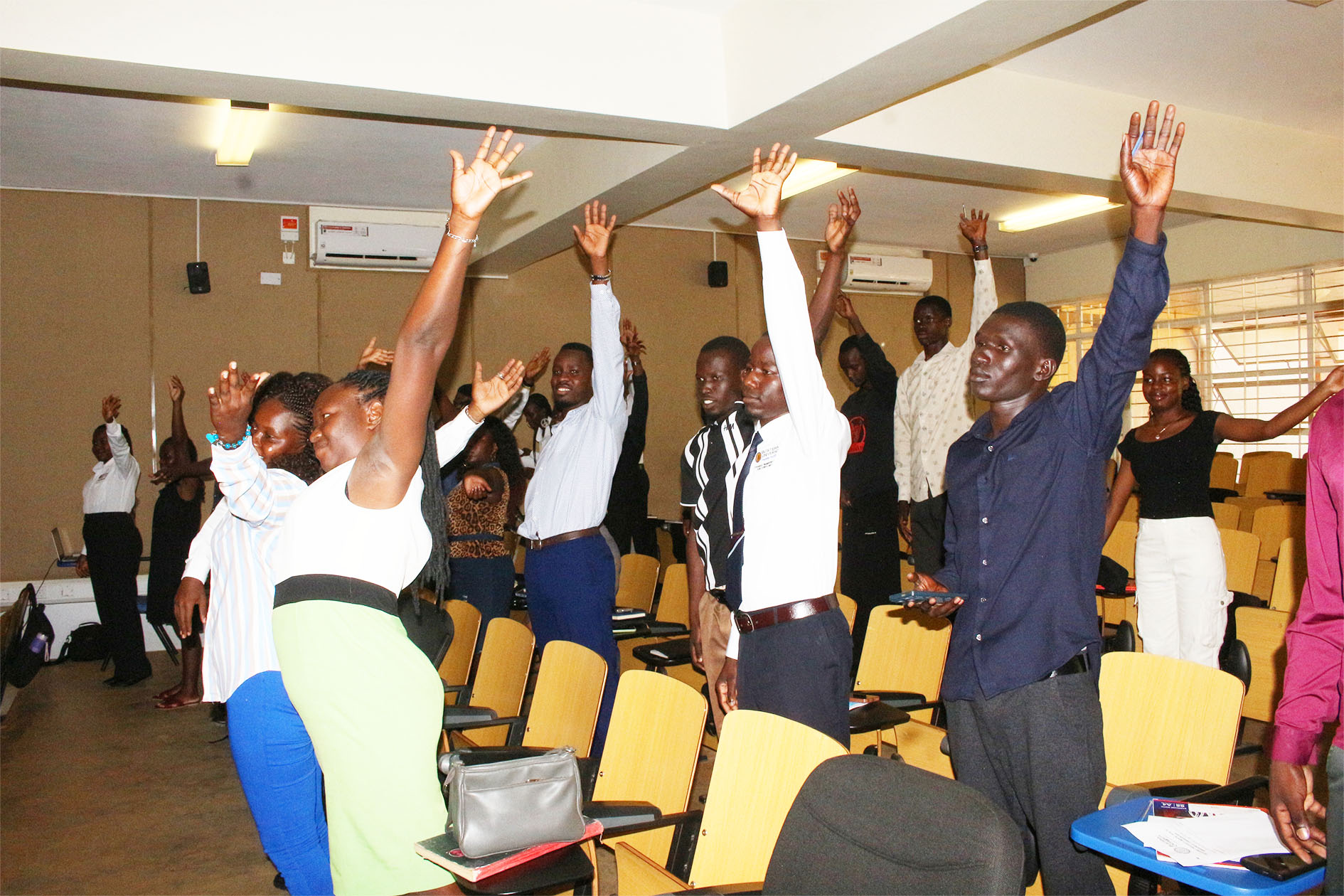
The Students' Guild has welcomed the initiative and expressed appreciation to University management for supporting student-led efforts to advance self-care and mental health awareness. In an update on the commencement of the training, student leadership expressed optimism that the knowledge gained would help participants make a meaningful contribution to the wellbeing of students and the wider University community.
Another area of focus is improving campus-based healthcare delivery channels through student outreach programmes, health days and peer education platforms. The Ministry intends to strengthen these existing structures to make health information and support services more accessible while encouraging greater participation in self-care practices.
According to the programme schedule, activities at Busitema Main Campus will take place on 19 and 20 October, followed by Nagongera Campus on 20 and 21 October. A joint engagement for Kabwangasi and Mbale campuses will be hosted at Mbale Campus on 21 and 22 October, while Pallisa Campus will host the final sessions on 22 and 23 October 2026.
Each campus engagement includes a meeting scheduled from 9:00 a.m. to 12:00 noon, bringing together University leadership, the University Medical Officer, health facility in-charges, faculty representatives, student leaders and selected peer supporters. The meetings are followed by afternoon training sessions from 2:00 p.m. to 5:00 p.m., with training continuing the following day from 8:30 a.m. to 5:00 p.m.
Through these engagements, the Ministry of Health seeks to strengthen collaboration with Busitema University in addressing health challenges affecting young people while building the capacity of campus healthcare providers and student peer supporters to promote self-care and wellbeing.
The programme is scheduled to conclude on Friday, 23 October 2026, with the training expected to provide a foundation for continued health awareness activities, peer education and improved access to self-care support services across the University's campuses.
The Directorate of Information and Communication Technology Services (DICTS) at Busitema University has successfully implemented a modern, sustainable power backup system to ensure uninterrupted operation of the university’s server infrastructure.
This new power solution integrates solar energy, lithium battery storage, and grid (hydro) electricity into a seamless and intelligent system designed to guarantee reliability, efficiency, and resilience.
How the System Works
The setup consists of 38 solar panels that harness clean energy during the day. This solar power directly supports the server room operations while simultaneously charging a high-capacity lithium battery system.
At night, the system automatically switches to grid (hydro) power as the primary source of electricity. In the event of a grid power outage, the lithium battery—charged during the day—instantly takes over, ensuring continuous power supply to critical systems.
All transitions between power sources are managed by a smart inverter, which enables automatic, seamless switching without any interruption to services.
Key Benefits
- Uninterrupted Services: Ensures continuous availability of university digital systems and services.
- Energy Efficiency: Maximizes the use of solar energy, reducing dependence on grid power.
- Sustainability: Promotes green energy adoption and reduces the university’s carbon footprint.
- Reliability: Provides a robust backup mechanism in case of power outages.
- Automation: Eliminates manual intervention through intelligent power switching.
Supporting the University’s Digital Mission
This initiative reflects DICTS’ commitment to strengthening the university’s ICT infrastructure and supporting teaching, learning, research, and administrative functions through reliable technology services.
By adopting this hybrid power solution, Busitema University continues to demonstrate leadership in leveraging innovative and sustainable technologies to enhance institutional efficiency and service delivery.
In an effort to ensure a smooth transition into university life, first-year students at various campuses received a comprehensive orientation on University systems. The orientation, held on between 7th of September to 15 of September 2023, provided newcomers with valuable insights into the array of systems and resources available to them throughout their academic journey.
The orientation covered a wide range of essential topics, including:
- The Admission System
- Students Portal System
- Varous websites including the main University Site
- Introduction to eduroam internet
Among others
The orientation sessions were led by experienced faculty and staff members who were available to answer questions and provide guidance. Attendees were also given access to online resources and handouts for future reference.
Busitema Universoty, Directorate of ICT remains committed to supporting the success of its students and believes that a strong understanding of campus systems is crucial for a successful academic journey. This comprehensive orientation serves as a crucial first step in helping first-year students make the most of their university experience
To register for institutional mail, please fill in the following forms. Forms are to be filled according to respective faculties. Click here to access forms
 MISSION: “TO PROVIDE HIGH STANDARD ICT SOLUTIONS FOR TEACHING, LEARNING AND RESEARCH FOR A TRANSFORMATIVE SOCIETY”.