4th Busitema University Annual Science, Technology and Innovation Symposium Brings Research and Innovation Closer to Society
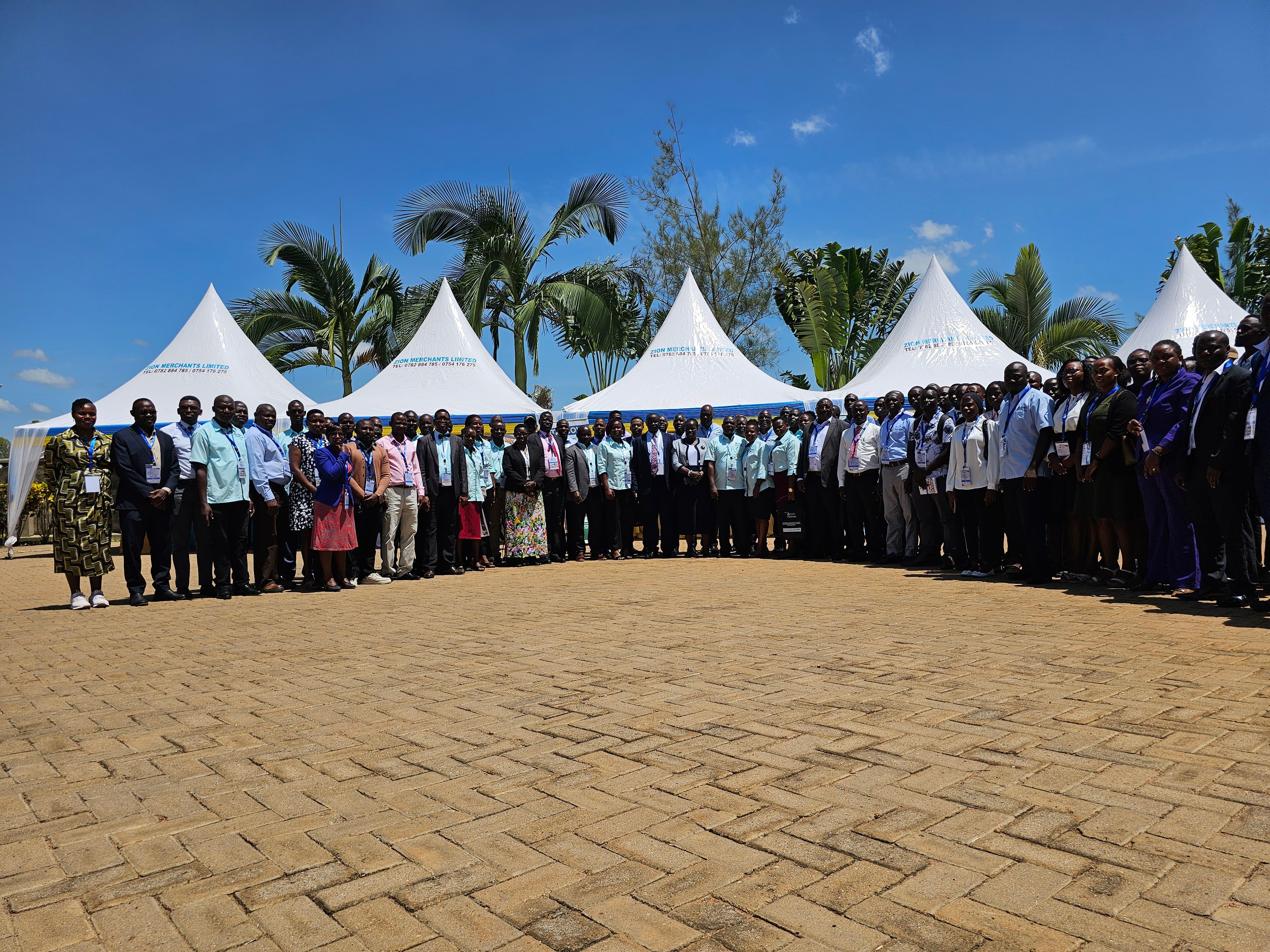
Busitema University concluded three days of scientific exchange in Soroti City on 25 September 2026 after researchers, students, innovators and partners from academia, government, and civil society gathered for the 4th Busitema University Annual Science, Technology and Innovation Symposium (BUSTIS).
Held from 23 to 25 September 2026 at Hersey Resort in Soroti and hosted by the Faculty of Agriculture and Animal Sciences, Arapai Campus, the symposium ran under the theme “Coordinated Innovations in Science and Technology for Socio-Economic Transformation.”
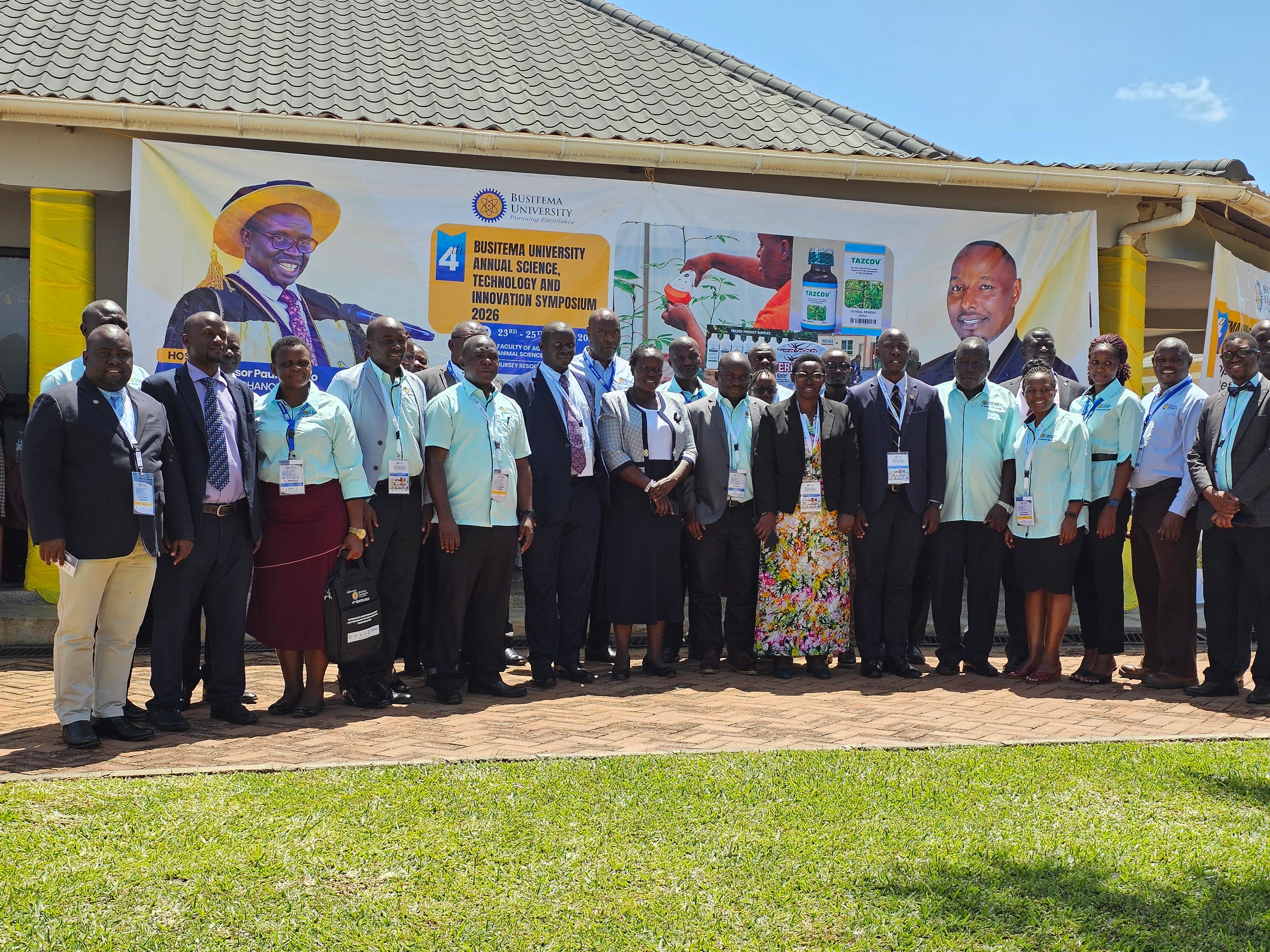
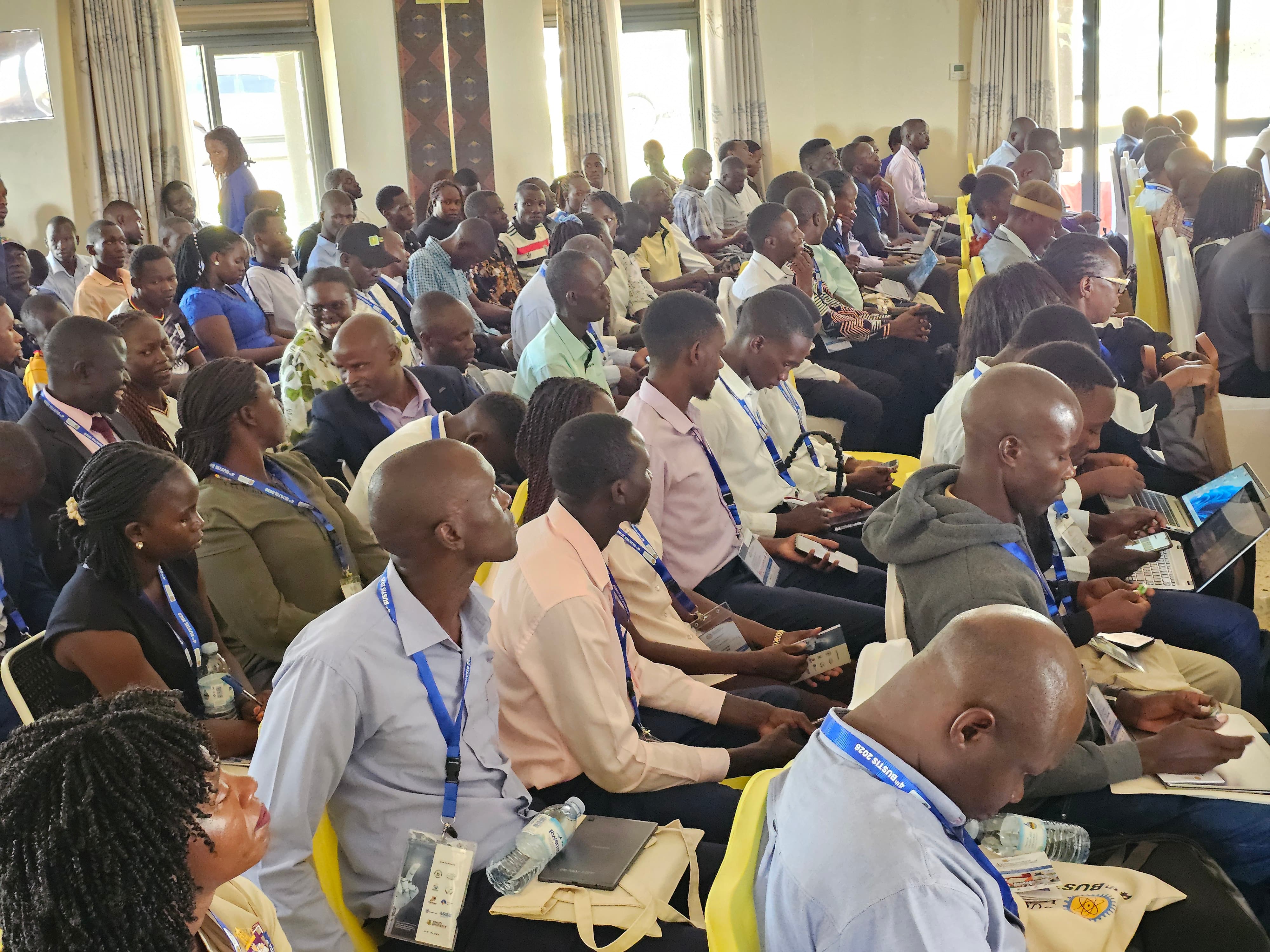
BUSTIS is held annually to bring the University’s growing research and innovation work into one space where it can be presented, discussed and challenged, while also creating opportunities for researchers to meet people outside their immediate disciplines. Students encounter experienced researchers, innovators demonstrate technologies and prototypes, and government, industry and other institutions are able to engage with research that may have practical value beyond the University.
The fourth edition focused on challenges that require knowledge from more than one field, including climate change, health, artificial intelligence, unemployment and industrial development. The symposium brought researchers, students and other participants together to share ideas and explore how different areas of expertise can contribute to practical solutions.
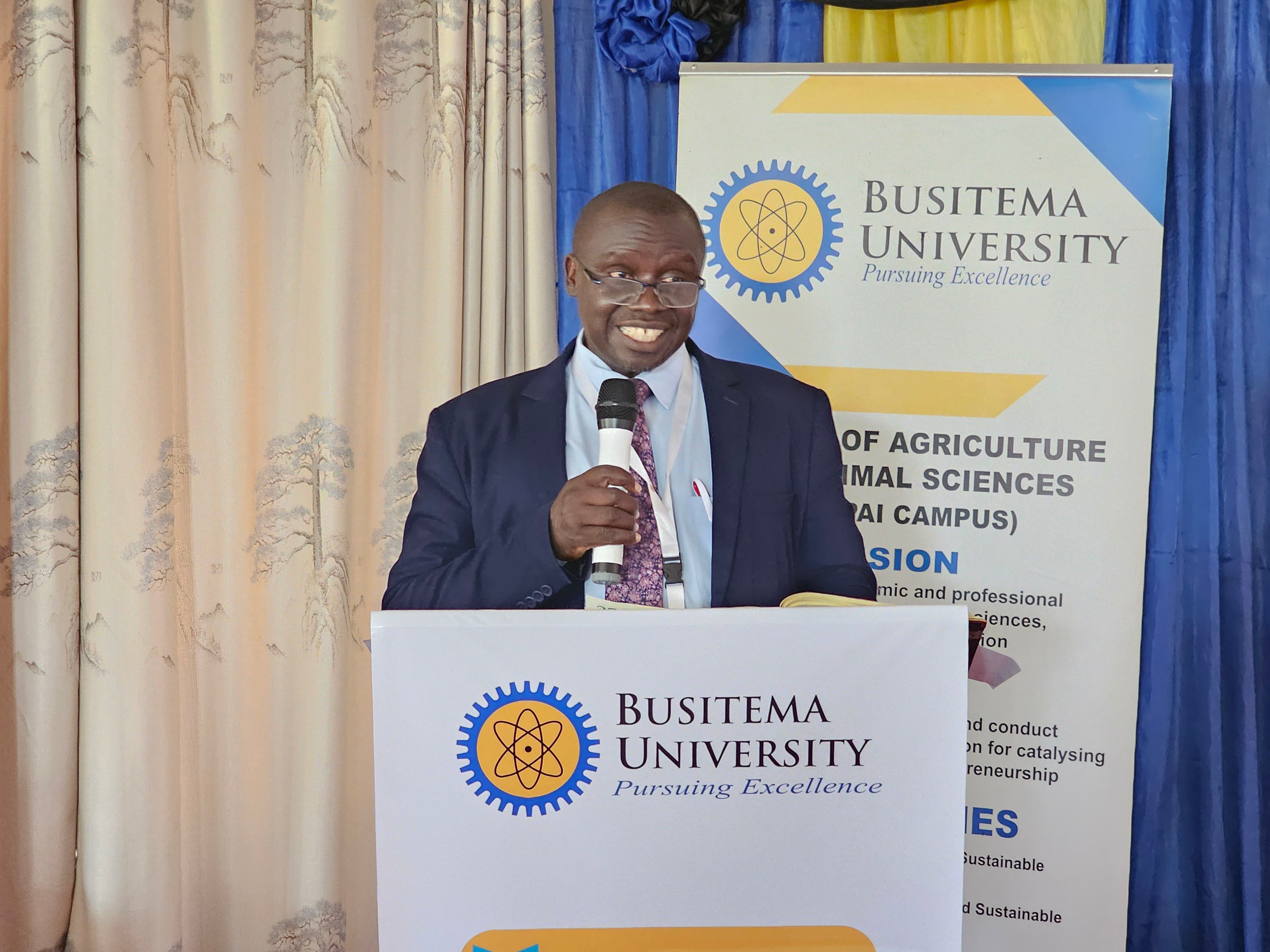
The role of the symposium was also highlighted by Busitema University Vice Chancellor, Prof. Paul Waako, who spoke about the importance of creating spaces where research can be tested, discussed and improved.
The growth matters because BUSTIS has become a place where researchers can present their work, receive feedback, build collaborations and consider how their ideas can be developed for wider use. Prof. Waako described it as a space where research can be questioned and strengthened before it moves further.
“I hope that at this meeting concepts shall be validated, ideas shall be enriched and innovation shall be tested” he added.
He also linked Busitema University’s commitment to science, technology and innovation to Uganda’s National Development Plan IV, noting that gatherings such as BUSTIS give researchers and partners an opportunity to refine ideas that can contribute to national development.
Prof. Waako also highlighted the value of partnerships between universities and industry, pointing to Busitema University’s collaboration with Kiira Motors in the training of engineering students as an example of how such partnerships can strengthen learning and give students practical exposure.
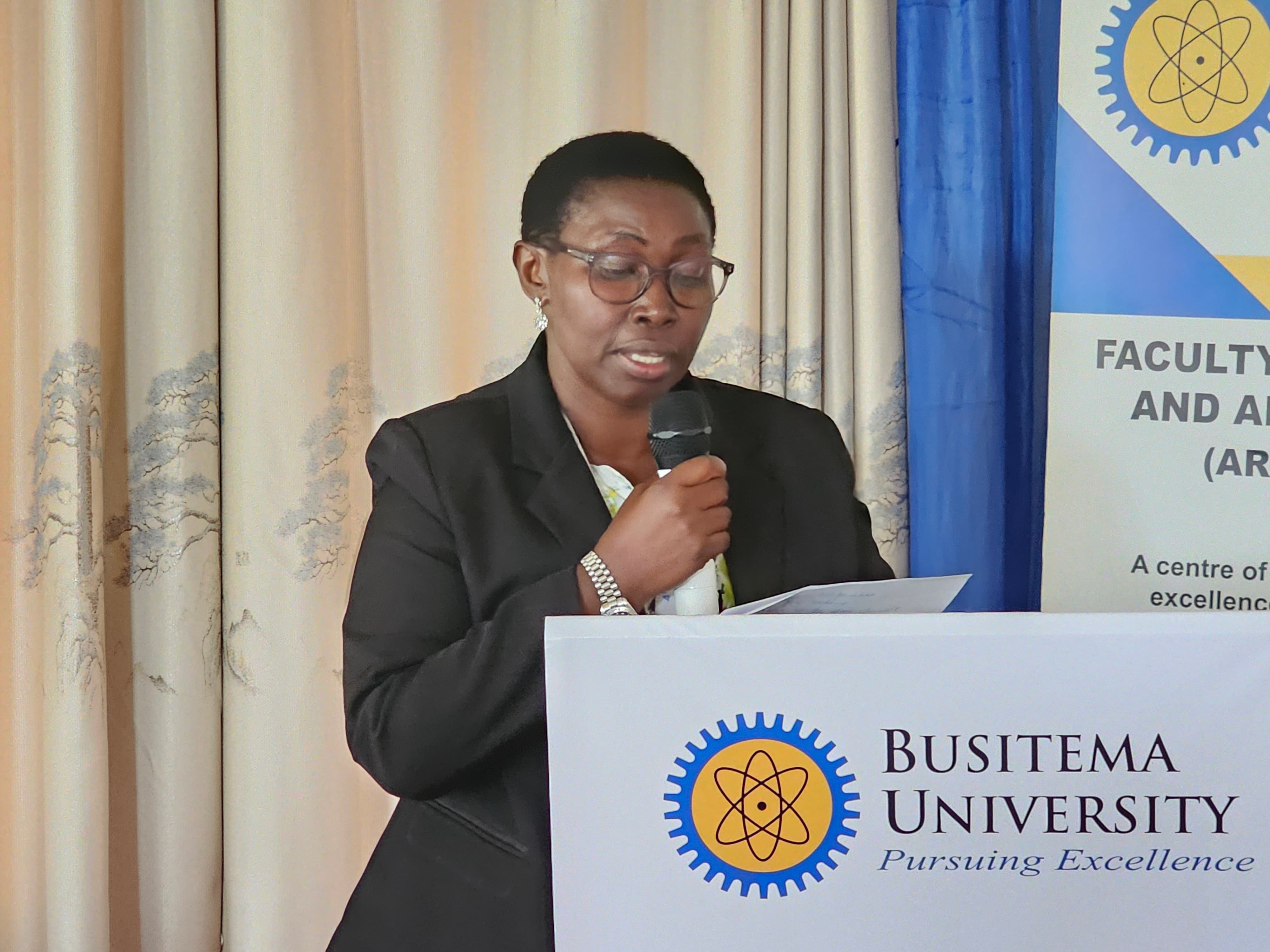
Assoc. Prof. Saphina Biira, Deputy Vice Chancellor for Academic Affairs and Research, called for a more connected approach to innovation, with researchers, students, universities, industry, government and communities working together on shared challenges.
She also encouraged the University community to look beyond the number of research papers published and focus on how research is improving lives. This includes turning research findings into useful technologies, products, policies and businesses, while preparing graduates to create jobs and new opportunities.
The symposium is coordinated through the Directorate of Graduate Studies, Research and Innovation, led by Assoc. Prof. Samson Rwahwire. The Directorate has helped grow the annual platform and bring research from different parts of the University into wider discussion.
This year’s symposium was hosted by the Faculty of Agriculture and Animal Sciences at Arapai Campus, led by Dean Dr. Geoffrey Lubadde. He welcomed the broad range of participants and stressed the role of universities in developing solutions that respond to Africa’s development needs.
Hosting the fourth edition in Soroti also brought the discussions close to some of the communities whose challenges were reflected in the research.
Hellen Christine Amongin, Deputy Mayor of Soroti City Council, welcomed participants to the Teso sub-region and linked the symposium’s theme to challenges affecting local communities. She noted that while agriculture remains central to the regional economy, farmers continue to face climate change, livestock diseases and post-harvest losses.
The deputy mayor urged researchers to ensure that the knowledge developed within universities reaches the people who can benefit from it, particularly farmers. She also encouraged Busitema University to use Soroti as a place to test and apply innovations in real community settings.
Youth unemployment was another concern she raised. In her view, commercialising science and technology can create jobs, and Arapai Campus, has a role to play in preparing young people to create opportunities for themselves and others through innovation and entrepreneurship.
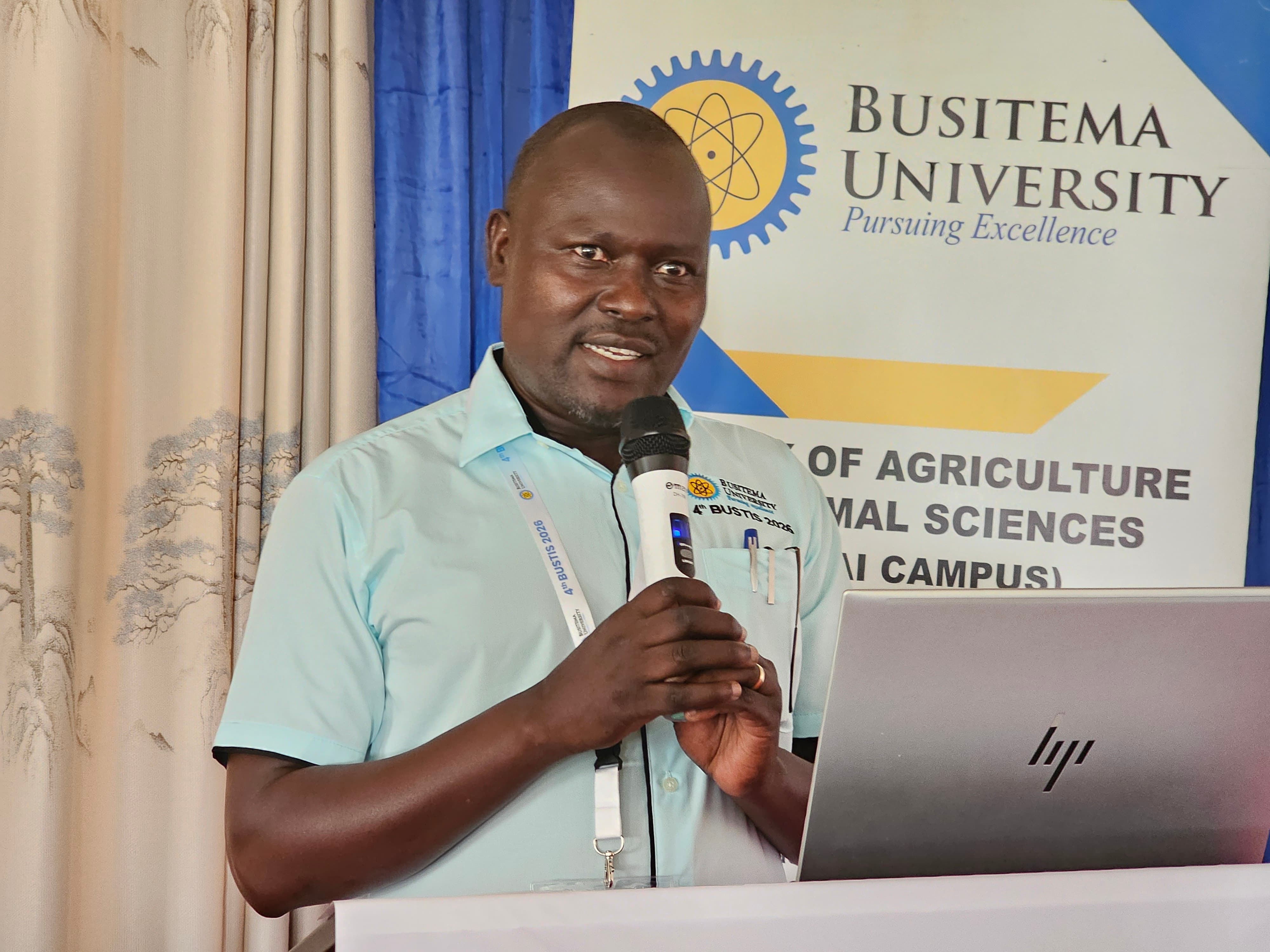
Among the standout presentations was work by Assoc. Prof. James Peter Egonyu, Associate Professor of Agricultural Entomology at Busitema University, on the use of Black Soldier Fly technology to convert organic waste into animal feed and organic fertiliser. The approach shows how waste that would otherwise be discarded can be put to productive use in agriculture while also creating opportunities for enterprise. The discussion around the technology illustrated what coordinated innovation can look like in practice. A problem in waste management can become part of a conversation about livestock production, soil improvement, environmental management and income generation.
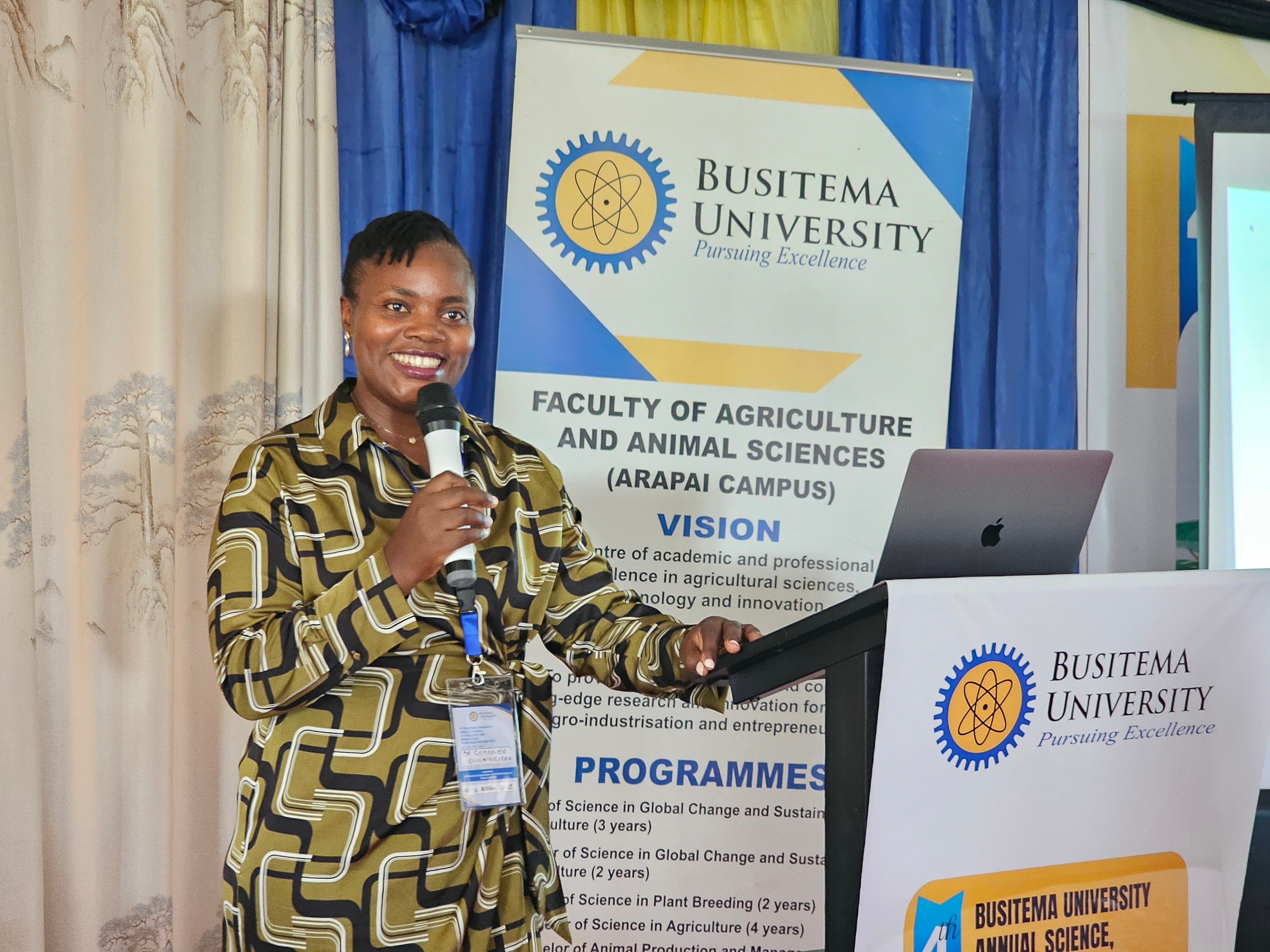
Another presentation, led by Dr. Godliver Owomugisha, examined the application of artificial intelligence in solving practical problems, including its use in agriculture for crop pest and disease detection.
She noted that while artificial intelligence can support research and improve problem-solving, universities should ensure that its growing use does not weaken critical thinking or the ability of students and researchers to make independent judgements.
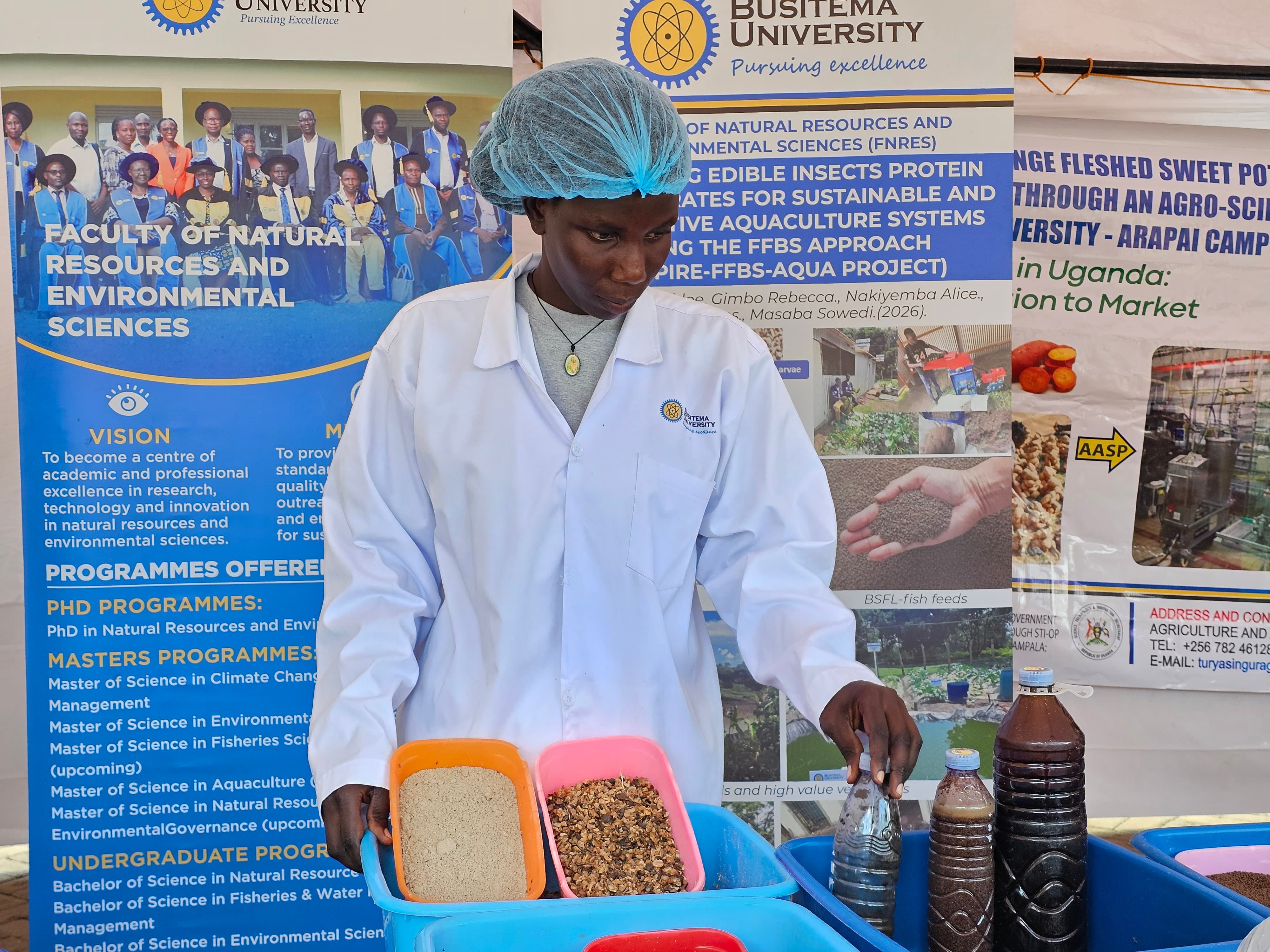
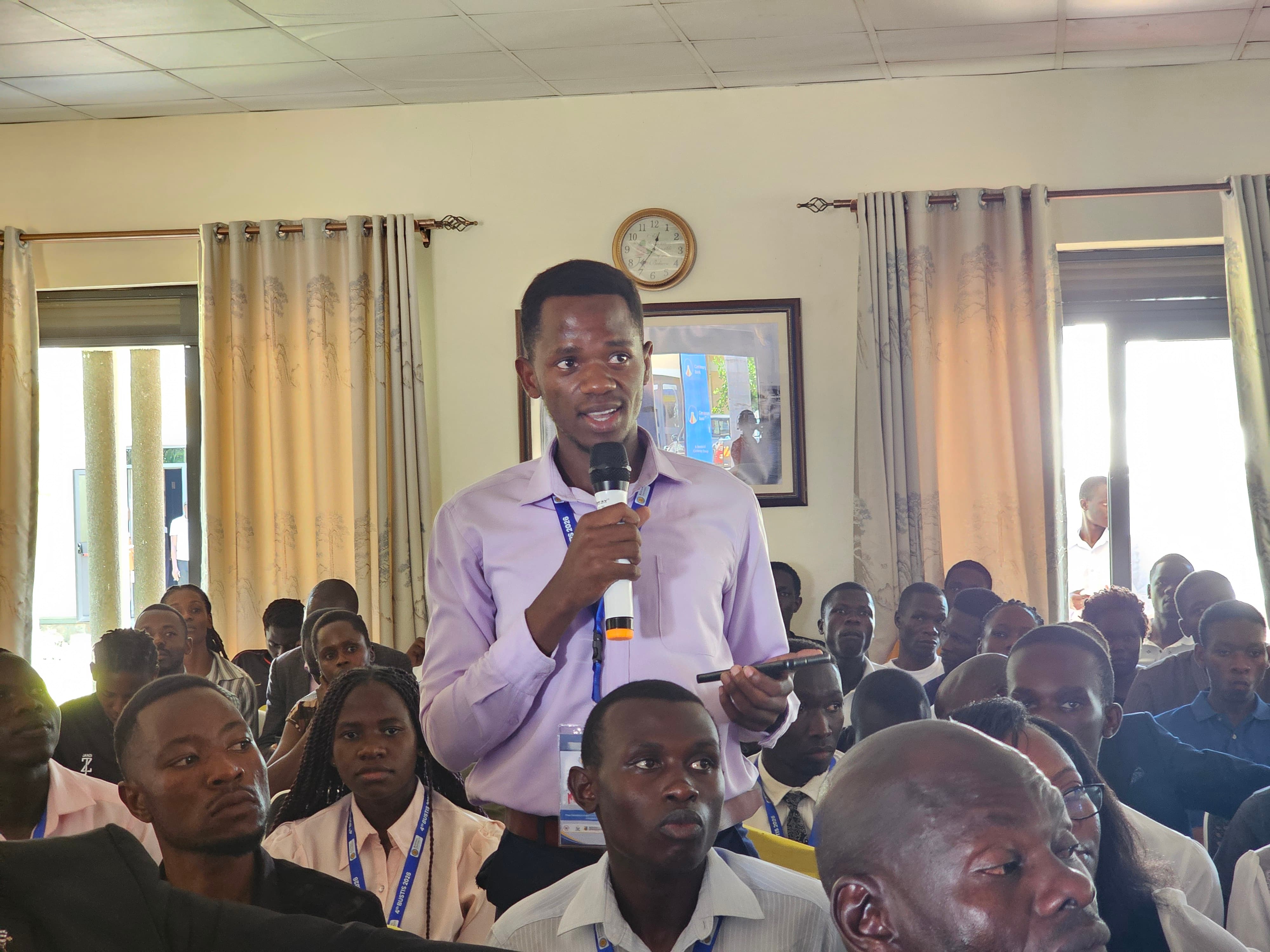
Presentations covered climate-smart agriculture, water quality, cassava production, mushroom and cricket farming, health, engineering, education and emerging technologies. Participants also visited exhibition stands where researchers displayed prototypes, products and other technologies and explained how they worked.
The fourth edition also created opportunities that went beyond the three days in Soroti. Abstracts submitted to the symposium underwent peer review, with reviewers considering their relevance, originality, research methods, contribution to knowledge or policy, and potential to offer practical recommendations.
The 2026 symposium was also framed within wider development priorities, including Uganda’s National Development Plan IV and Vision 2040, Africa’s Agenda 2063 and the United Nations Sustainable Development Goals. Those goals became more meaningful in Soroti because the discussions focused on problems that communities and institutions are already dealing with, including farm losses, unemployment, health challenges, changing technologies, environmental pressure and the need to strengthen local industries.
Over the three days, participants moved between research presentations, demonstrations, exhibitions and discussions involving different disciplines and institutions. Some of the work presented is already being applied, while other ideas still need further testing, stronger partnerships or additional research. The symposium gave researchers and innovators a space to present that work, receive feedback and consider what should happen next.
That is where the growth highlighted by Prof. Waako becomes important. After four editions, BUSTIS is creating more room for researchers to engage with government, industry and communities around how knowledge and innovation can respond to practical needs.
By the end of the three days, the symposium had brought different ideas into the same room and opened them up to questions, criticism and new connections. What matters now is whether the ideas shared in Soroti are carried forward, strengthened through further work and eventually used to address the problems they were meant to solve.

 MISSION: “TO PROVIDE HIGH STANDARD ICT SOLUTIONS FOR TEACHING, LEARNING AND RESEARCH FOR A TRANSFORMATIVE SOCIETY”.