Prof. Waako calls for academic discipline and stronger student networks at Arapai and Pallisa
18 November 2026
Busitema University Vice Chancellor Prof. Paul Waako has urged newly admitted students to maintain academic discipline and establish personal and professional networks that will serve them beyond graduation.
Addressing students during formal admissions ceremonies at Arapai and Pallisa campuses on Wednesday, 18 November 2026, Prof. Waako emphasised the importance of regular lecture attendance, adherence to University regulations and building relationships across academic disciplines and campuses.
The Vice Chancellor thanked the students for choosing Busitema University among the more than 60 universities in Uganda, assuring them of the institution’s commitment to supporting them through to the successful completion of their studies.
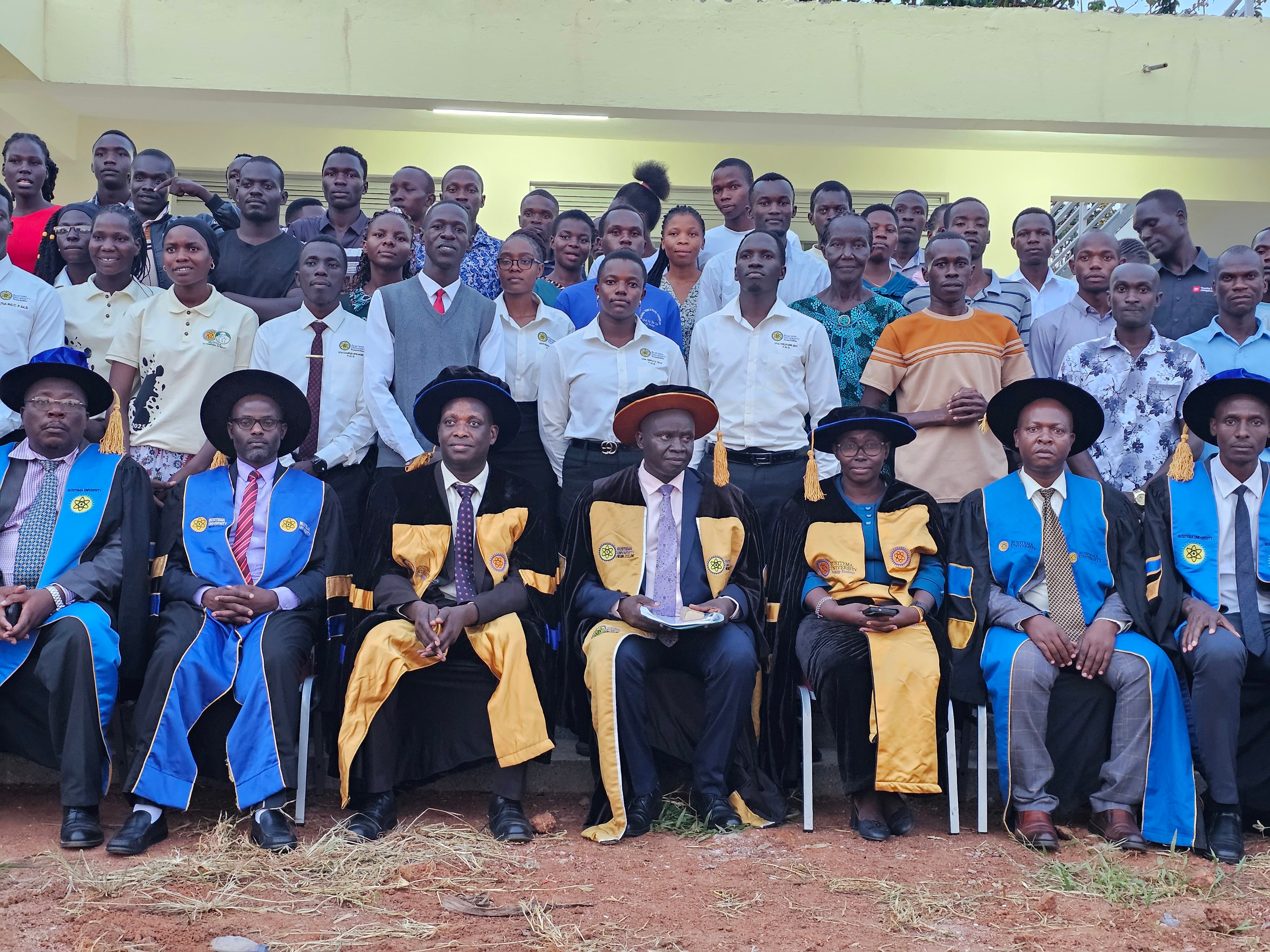
On academic discipline, Prof. Waako reminded students that attendance of lectures is compulsory. Students who fail to meet the prescribed attendance requirements risk being denied a Certificate of Due Performance, without which they cannot sit University examinations.
The Vice Chancellor advised students to familiarise themselves with the University handbook and regulations, particularly the procedures for addressing grievances. As part of the ceremonies, students were introduced to the University’s governance and administrative structures, including the functions of the University Council, Senate, Top Management and offices responsible for academic affairs and student welfare.
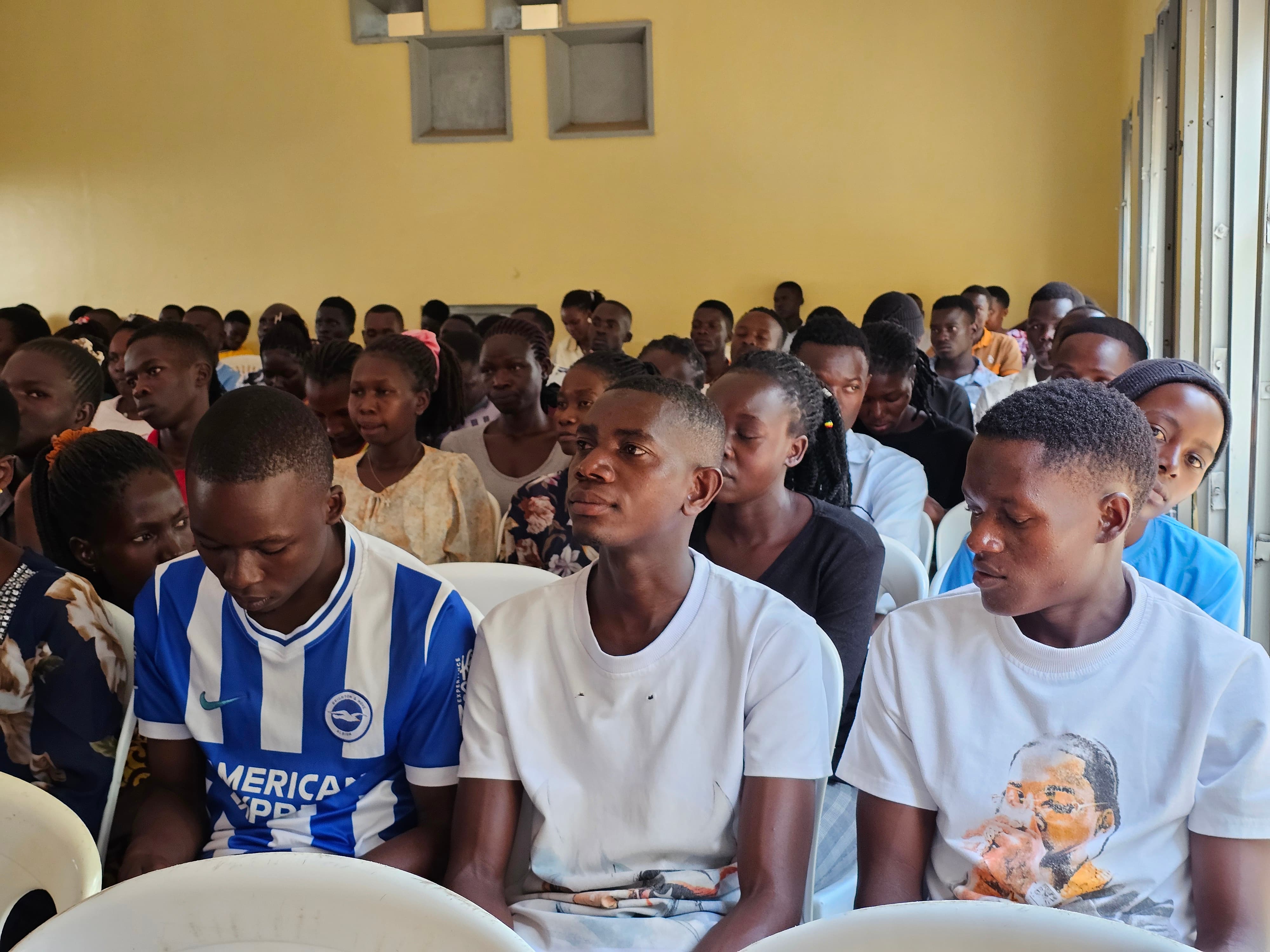
Speaking at Pallisa Campus, Prof. Waako placed particular emphasis on the value of relationships established during university education. While academic qualifications are important, the networks students develop can influence their career prospects and access to professional opportunities long after graduation.
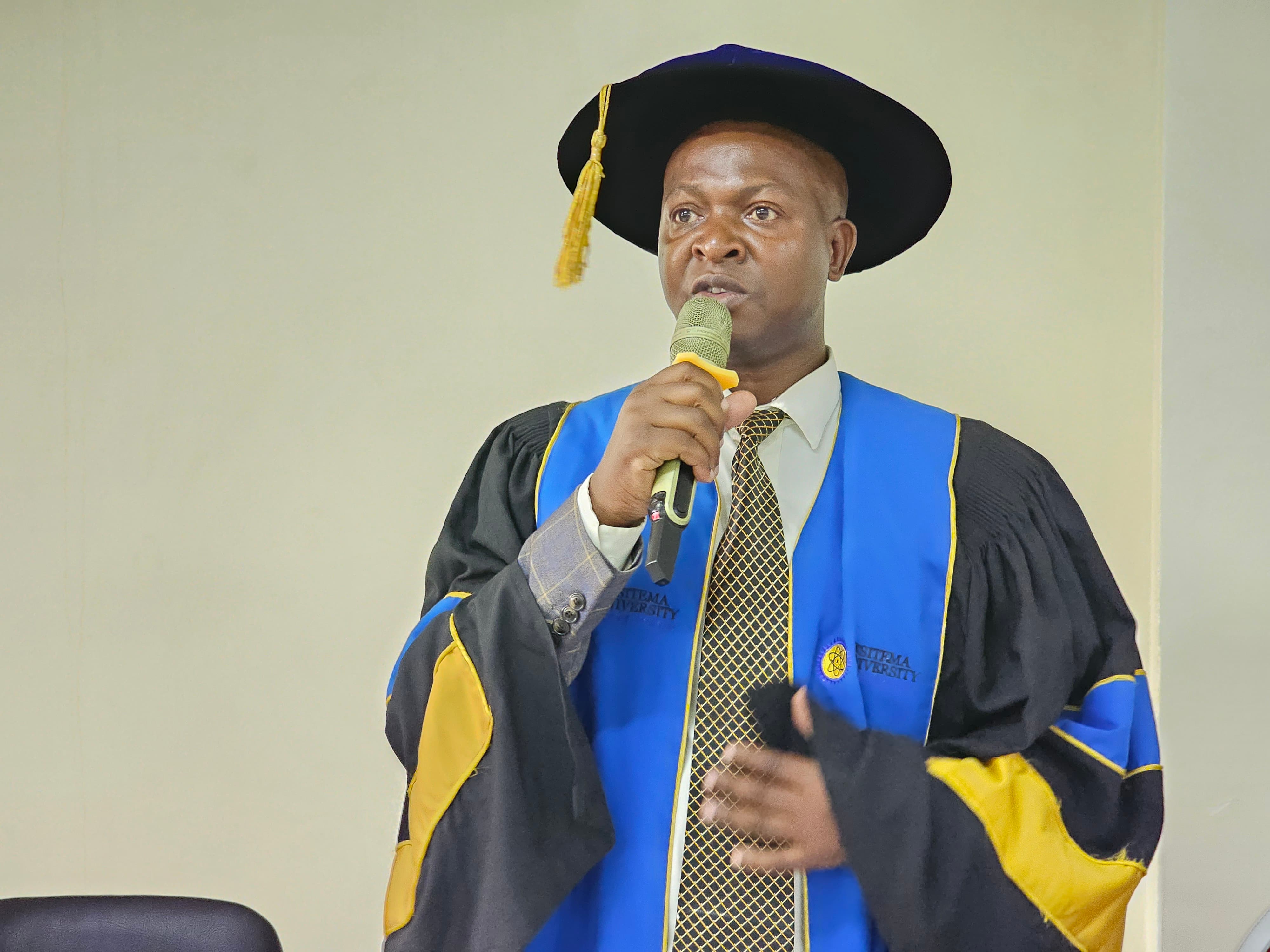
University education, the Vice Chancellor explained, brings together people from different ethnic, religious and social backgrounds, offering students an opportunity to learn from one another and prepare for life in a diverse society. Students were encouraged to establish friendships across faculties, visit other campuses and participate in extracurricular activities, including inter-campus sports.
At Arapai Campus, Prof. Waako commended students for choosing to pursue agriculture-related programmes. Describing agriculture as one of the pillars of Uganda’s economy, the Vice Chancellor drew attention to the responsibility of agricultural professionals in addressing food security challenges and meeting the needs of a growing global population.
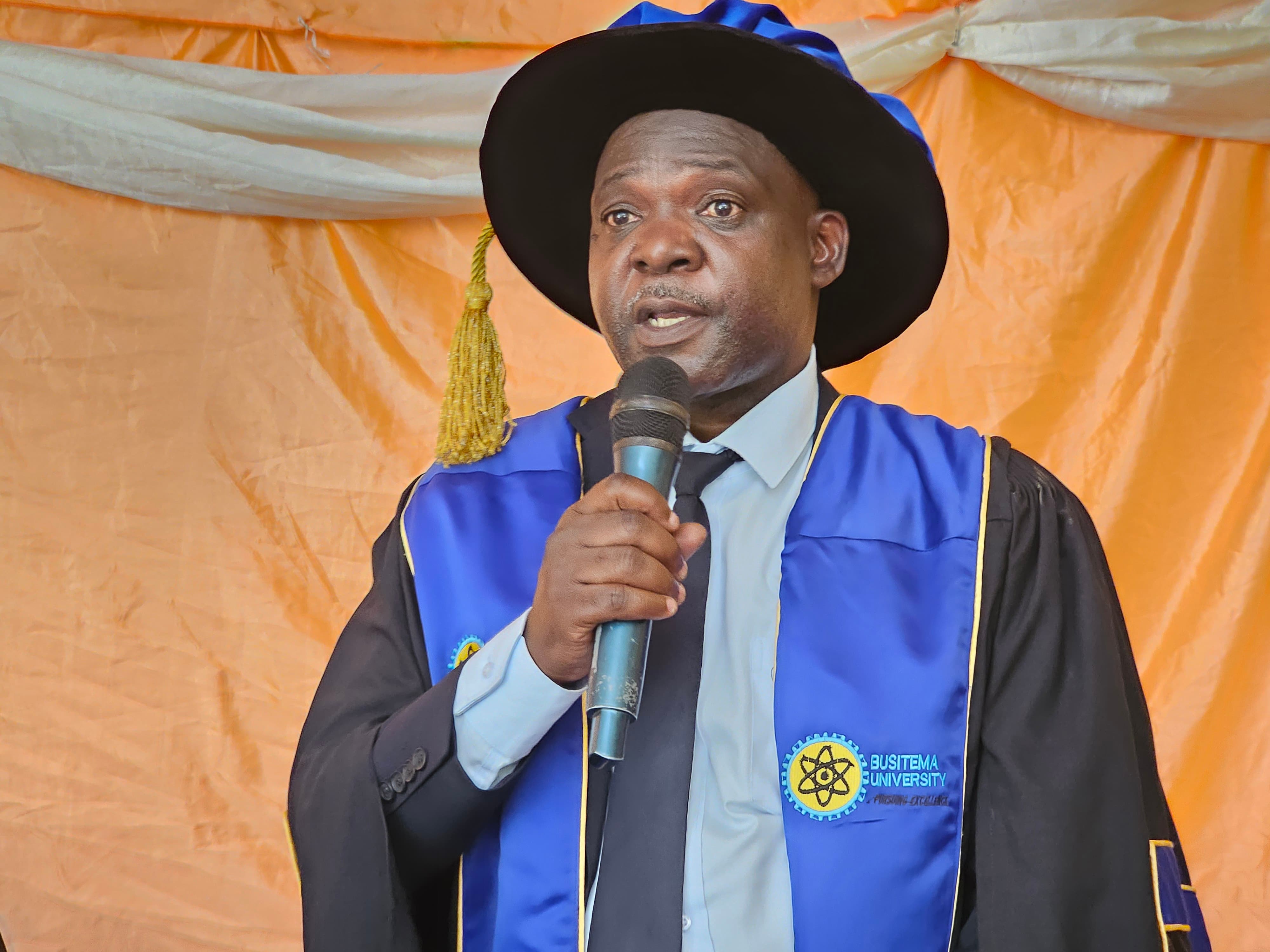
Concerns were also raised over the handling of University property at Arapai, particularly instances where students remove chairs from lecture rooms for private revision and fail to return them. Prof. Waako appealed to students to take responsibility for University facilities, noting that such practices contribute to shortages of classroom furniture.
In response to the increasing use of technology in higher education, students were encouraged to seek support from their sponsors to acquire laptops and familiarise themselves with the University’s Learning Management System, which supports blended learning.
Prof. Waako noted that, in addition to the physical collections available at campus libraries, the University provides access to more than 100,000 books online. Students were advised to seek guidance from librarians on accessing these resources and consult the University website for information on fees, academic requirements and institutional regulations.
Figures presented during the ceremony at Pallisa put Busitema University’s total student population at 9,222 across its six campuses. Nagongera accounts for the highest enrolment, with 3,345 students, followed by Arapai with 2,500, Busitema with 1,640 and Mbale with 953. Pallisa, with 496 students, is the second-smallest campus by enrolment, while Namasagali has 288 students.
Before performing the formal duty of admitting the students, Prof. Waako called upon them to uphold the University’s core values of pursuing excellence, relevance, innovativeness, professionalism, ethics and integrity, internationalisation and respect for diversity.

 MISSION: “TO PROVIDE HIGH STANDARD ICT SOLUTIONS FOR TEACHING, LEARNING AND RESEARCH FOR A TRANSFORMATIVE SOCIETY”.