Strengthening Digital Infrastructure: DICTS Deploys Smart Power Backup Solution
The Directorate of Information and Communication Technology Services (DICTS) at Busitema University has successfully implemented a modern, sustainable power backup system to ensure uninterrupted operation of the university’s server infrastructure.
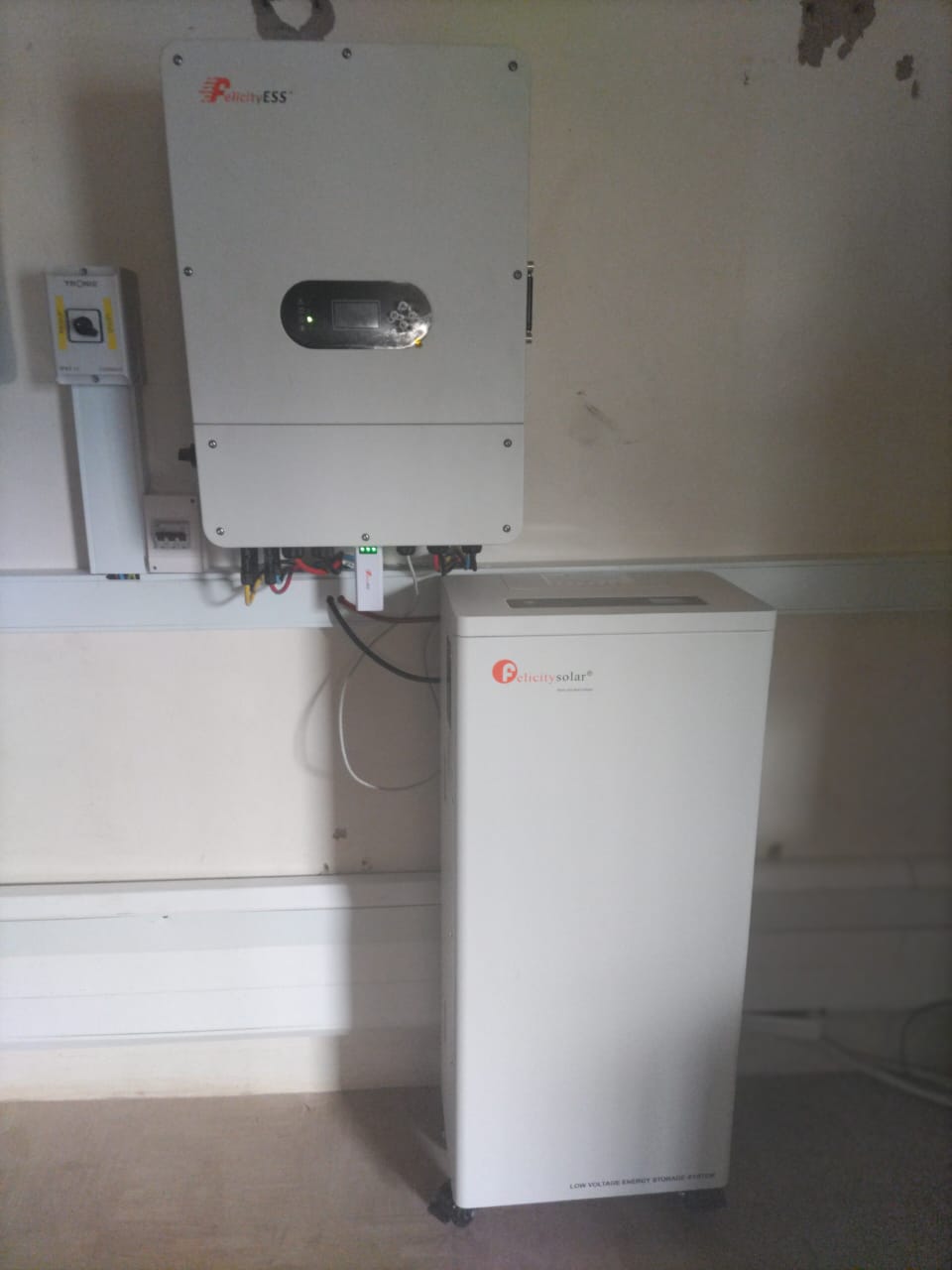
This new power solution integrates solar energy, lithium battery storage, and grid (hydro) electricity into a seamless and intelligent system designed to guarantee reliability, efficiency, and resilience.
How the System Works
The setup consists of 38 solar panels that harness clean energy during the day. This solar power directly supports the server room operations while simultaneously charging a high-capacity lithium battery system.
At night, the system automatically switches to grid (hydro) power as the primary source of electricity. In the event of a grid power outage, the lithium battery—charged during the day—instantly takes over, ensuring continuous power supply to critical systems.
All transitions between power sources are managed by a smart inverter, which enables automatic, seamless switching without any interruption to services.
Key Benefits
- Uninterrupted Services: Ensures continuous availability of university digital systems and services.
- Energy Efficiency: Maximizes the use of solar energy, reducing dependence on grid power.
- Sustainability: Promotes green energy adoption and reduces the university’s carbon footprint.
- Reliability: Provides a robust backup mechanism in case of power outages.
- Automation: Eliminates manual intervention through intelligent power switching.
Supporting the University’s Digital Mission
This initiative reflects DICTS’ commitment to strengthening the university’s ICT infrastructure and supporting teaching, learning, research, and administrative functions through reliable technology services.
By adopting this hybrid power solution, Busitema University continues to demonstrate leadership in leveraging innovative and sustainable technologies to enhance institutional efficiency and service delivery.
 MISSION: “TO PROVIDE HIGH STANDARD ICT SOLUTIONS FOR TEACHING, LEARNING AND RESEARCH FOR A TRANSFORMATIVE SOCIETY”.